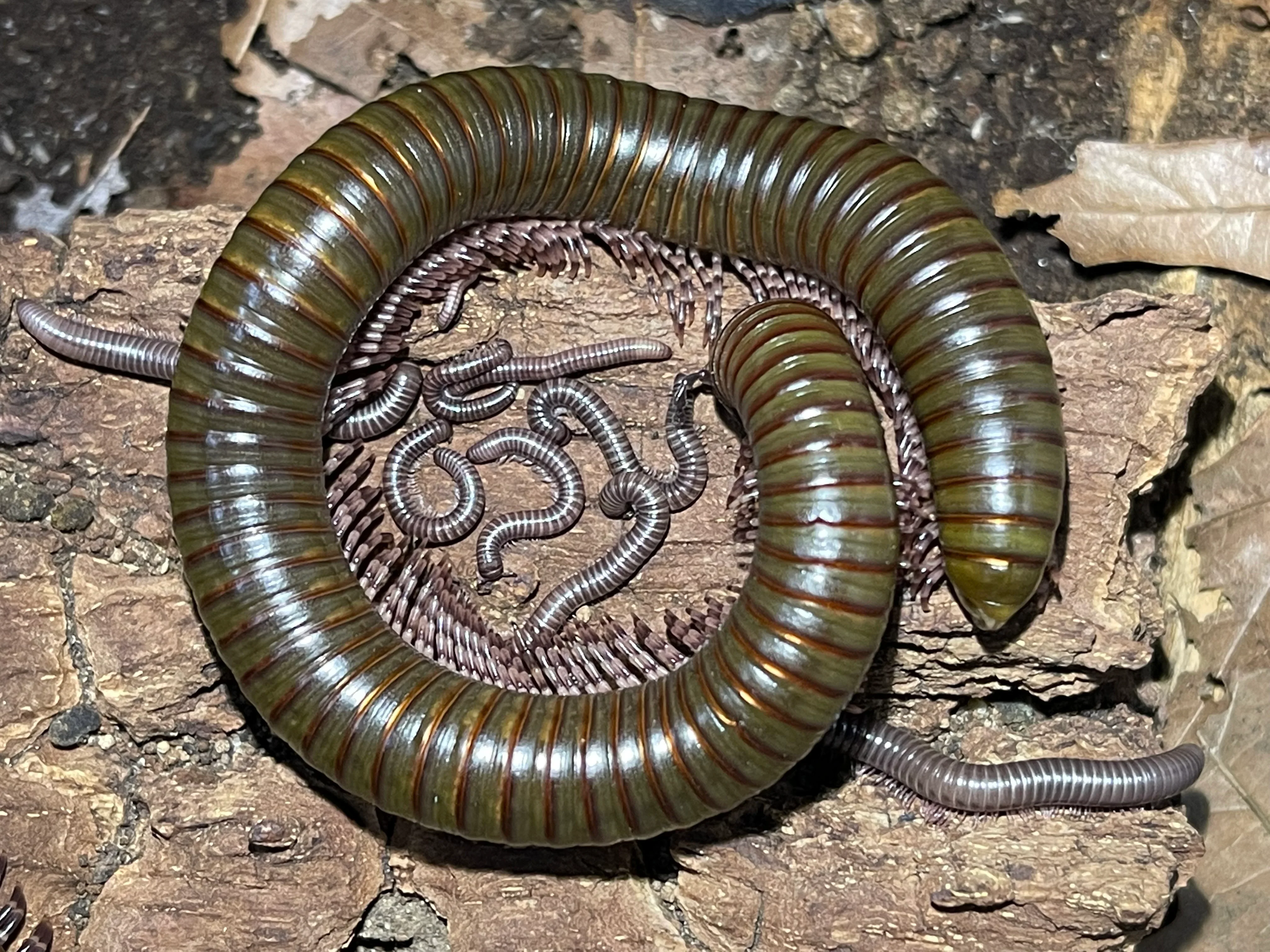
African Olive Millipede
African Olive Millipede (Telodeinopus aoutii) Care Sheet
Quick Facts
| Attribute | Details |
|---|---|
| Common Name | African Olive Millipede |
| Scientific Name | Telodeinopus aoutii |
| Origin | East Africa (Tanzania, Kenya, Mozambique) |
| Adult Size | 20–30 cm |
| Lifespan | 5–7 years in captivity |
| Activity | Nocturnal / crepuscular detritivore |
Behavior
-
Calm, slow-moving, and very docile.
-
Primarily nocturnal; hides in substrate or leaf litter during the day.
-
Rolls into a spiral when threatened; secretes a harmless defensive fluid.
-
Social species; thrives in group enclosures.
Enclosure Requirements
-
Tank Size: Minimum 38 liters for adults; larger for multiple millipedes
-
Substrate: 8–15 cm layer of coconut fiber, leaf litter, or soil mix; keep slightly moist
-
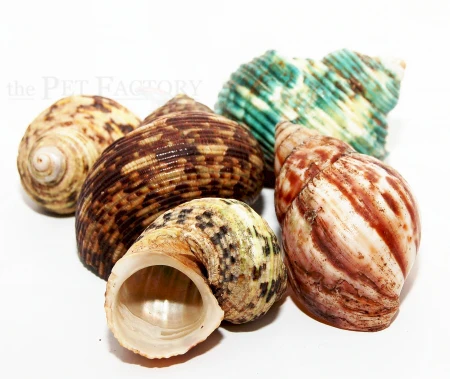
Decor: Logs, cork bark, rocks, leaf litter, moss
-
Humidity: 75–85% (maintain consistent moisture for proper molting)
-
Temperature:
-
Day: 22–27°C
-
Night: 20–24°C
-
-
Lighting: Indirect light; avoid bright lights
-
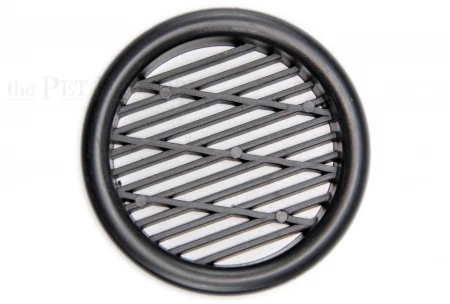
Ventilation: Moderate airflow to prevent mold while maintaining humidity
Compatibility
-
Social species; can house multiple millipedes together.
-
Avoid keeping with aggressive or predatory arthropods.
-
Non-aggressive toward other invertebrates that do not trigger stress.
Diet
-
Detritivore: feeds primarily on decaying plant matter
-
Foods:
-
Leaf litter
-
Decayed vegetables and fruits (apple, cucumber, carrot)
-
Occasional calcium supplementation via cuttlebone or powdered calcium dust
-
-
Feed small amounts daily; remove uneaten or moldy food promptly.
Care Tips
-
Maintain consistently moist substrate for hydration and molting.
-
Clean enclosure every 2–4 weeks; remove waste and mold.
-
Avoid overhandling; millipedes are delicate and stress easily.
-
Provide hiding spaces and leaf litter for natural burrowing behavior.
-
Keep away from direct sunlight or excessive heat.
Breeding
-
Oviparous; lays eggs in substrate.
-
Eggs hatch in 3–4 months depending on temperature and humidity.
-
Juveniles are smaller versions of adults; require similar care with slightly higher humidity.
-
Multiple juveniles can be housed together if space allows.
Visual Quick Guide
-
🏠 Enclosure: ≥38 L, moist substrate, hiding spots
-
🌡️ Temp: Day 22–27°C / Night 20–24°C
-
💧 Humidity: 75–85%
-
🍴 Diet: Detritivore (leaf litter, vegetables, fruits)
-
🕒 Activity: Nocturnal / crepuscular
-
⚠️ Stress: Avoid handling; provide hides
Original: $24.38
-65%$24.38
$8.53More Images
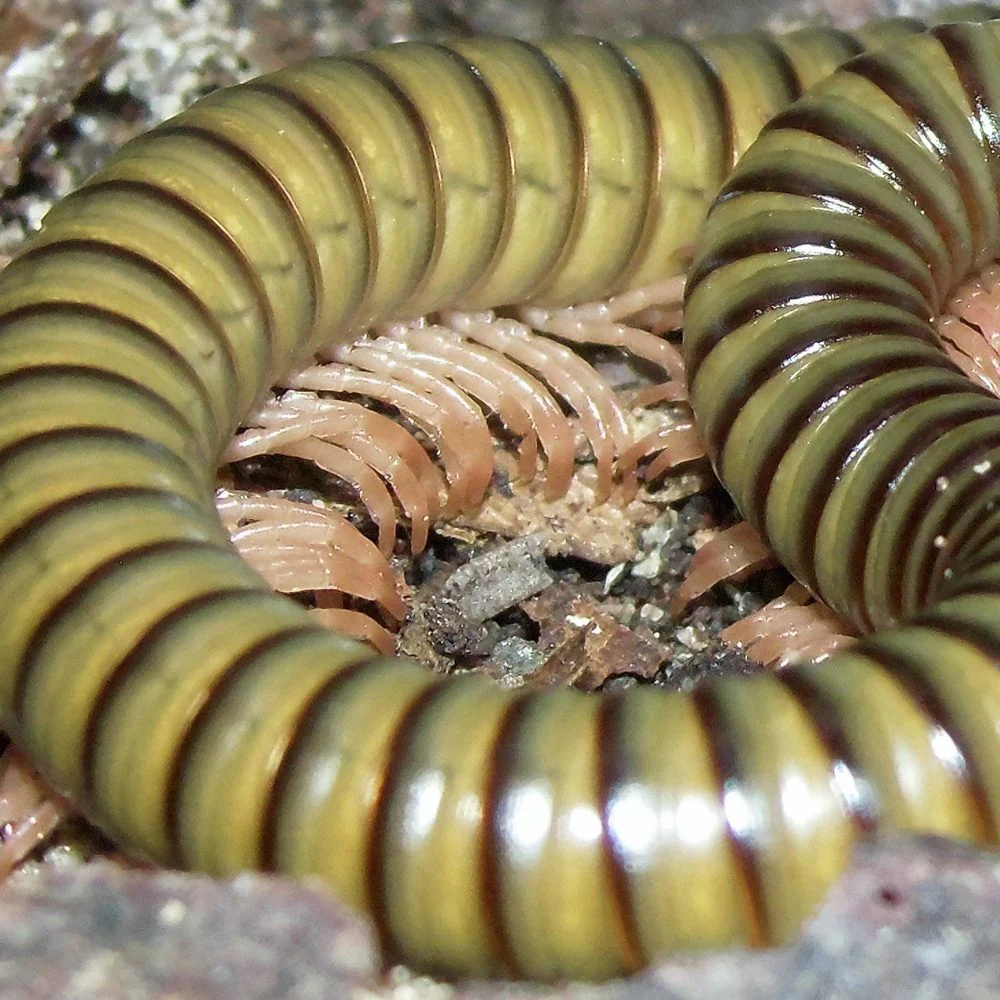
African Olive Millipede
African Olive Millipede (Telodeinopus aoutii) Care Sheet
Quick Facts
| Attribute | Details |
|---|---|
| Common Name | African Olive Millipede |
| Scientific Name | Telodeinopus aoutii |
| Origin | East Africa (Tanzania, Kenya, Mozambique) |
| Adult Size | 20–30 cm |
| Lifespan | 5–7 years in captivity |
| Activity | Nocturnal / crepuscular detritivore |
Behavior
-
Calm, slow-moving, and very docile.
-
Primarily nocturnal; hides in substrate or leaf litter during the day.
-
Rolls into a spiral when threatened; secretes a harmless defensive fluid.
-
Social species; thrives in group enclosures.
Enclosure Requirements
-
Tank Size: Minimum 38 liters for adults; larger for multiple millipedes
-
Substrate: 8–15 cm layer of coconut fiber, leaf litter, or soil mix; keep slightly moist
-
Decor: Logs, cork bark, rocks, leaf litter, moss
-
Humidity: 75–85% (maintain consistent moisture for proper molting)
-
Temperature:
-
Day: 22–27°C
-
Night: 20–24°C
-
-
Lighting: Indirect light; avoid bright lights
-
Ventilation: Moderate airflow to prevent mold while maintaining humidity
Compatibility
-
Social species; can house multiple millipedes together.
-
Avoid keeping with aggressive or predatory arthropods.
-
Non-aggressive toward other invertebrates that do not trigger stress.
Diet
-
Detritivore: feeds primarily on decaying plant matter
-
Foods:
-
Leaf litter
-
Decayed vegetables and fruits (apple, cucumber, carrot)
-
Occasional calcium supplementation via cuttlebone or powdered calcium dust
-
-
Feed small amounts daily; remove uneaten or moldy food promptly.
Care Tips
-
Maintain consistently moist substrate for hydration and molting.
-
Clean enclosure every 2–4 weeks; remove waste and mold.
-
Avoid overhandling; millipedes are delicate and stress easily.
-
Provide hiding spaces and leaf litter for natural burrowing behavior.
-
Keep away from direct sunlight or excessive heat.
Breeding
-
Oviparous; lays eggs in substrate.
-
Eggs hatch in 3–4 months depending on temperature and humidity.
-
Juveniles are smaller versions of adults; require similar care with slightly higher humidity.
-
Multiple juveniles can be housed together if space allows.
Visual Quick Guide
-
🏠 Enclosure: ≥38 L, moist substrate, hiding spots
-
🌡️ Temp: Day 22–27°C / Night 20–24°C
-
💧 Humidity: 75–85%
-
🍴 Diet: Detritivore (leaf litter, vegetables, fruits)
-
🕒 Activity: Nocturnal / crepuscular
-
⚠️ Stress: Avoid handling; provide hides
Product Information
Product Information
Shipping & Returns
Shipping & Returns
Description
African Olive Millipede (Telodeinopus aoutii) Care Sheet
Quick Facts
| Attribute | Details |
|---|---|
| Common Name | African Olive Millipede |
| Scientific Name | Telodeinopus aoutii |
| Origin | East Africa (Tanzania, Kenya, Mozambique) |
| Adult Size | 20–30 cm |
| Lifespan | 5–7 years in captivity |
| Activity | Nocturnal / crepuscular detritivore |
Behavior
-
Calm, slow-moving, and very docile.
-
Primarily nocturnal; hides in substrate or leaf litter during the day.
-
Rolls into a spiral when threatened; secretes a harmless defensive fluid.
-
Social species; thrives in group enclosures.
Enclosure Requirements
-
Tank Size: Minimum 38 liters for adults; larger for multiple millipedes
-
Substrate: 8–15 cm layer of coconut fiber, leaf litter, or soil mix; keep slightly moist
-
Decor: Logs, cork bark, rocks, leaf litter, moss
-
Humidity: 75–85% (maintain consistent moisture for proper molting)
-
Temperature:
-
Day: 22–27°C
-
Night: 20–24°C
-
-
Lighting: Indirect light; avoid bright lights
-
Ventilation: Moderate airflow to prevent mold while maintaining humidity
Compatibility
-
Social species; can house multiple millipedes together.
-
Avoid keeping with aggressive or predatory arthropods.
-
Non-aggressive toward other invertebrates that do not trigger stress.
Diet
-
Detritivore: feeds primarily on decaying plant matter
-
Foods:
-
Leaf litter
-
Decayed vegetables and fruits (apple, cucumber, carrot)
-
Occasional calcium supplementation via cuttlebone or powdered calcium dust
-
-
Feed small amounts daily; remove uneaten or moldy food promptly.
Care Tips
-
Maintain consistently moist substrate for hydration and molting.
-
Clean enclosure every 2–4 weeks; remove waste and mold.
-
Avoid overhandling; millipedes are delicate and stress easily.
-
Provide hiding spaces and leaf litter for natural burrowing behavior.
-
Keep away from direct sunlight or excessive heat.
Breeding
-
Oviparous; lays eggs in substrate.
-
Eggs hatch in 3–4 months depending on temperature and humidity.
-
Juveniles are smaller versions of adults; require similar care with slightly higher humidity.
-
Multiple juveniles can be housed together if space allows.
Visual Quick Guide
-
🏠 Enclosure: ≥38 L, moist substrate, hiding spots
-
🌡️ Temp: Day 22–27°C / Night 20–24°C
-
💧 Humidity: 75–85%
-
🍴 Diet: Detritivore (leaf litter, vegetables, fruits)
-
🕒 Activity: Nocturnal / crepuscular
-
⚠️ Stress: Avoid handling; provide hides