Apple Cox's Orange Pippin' - Self Fertile
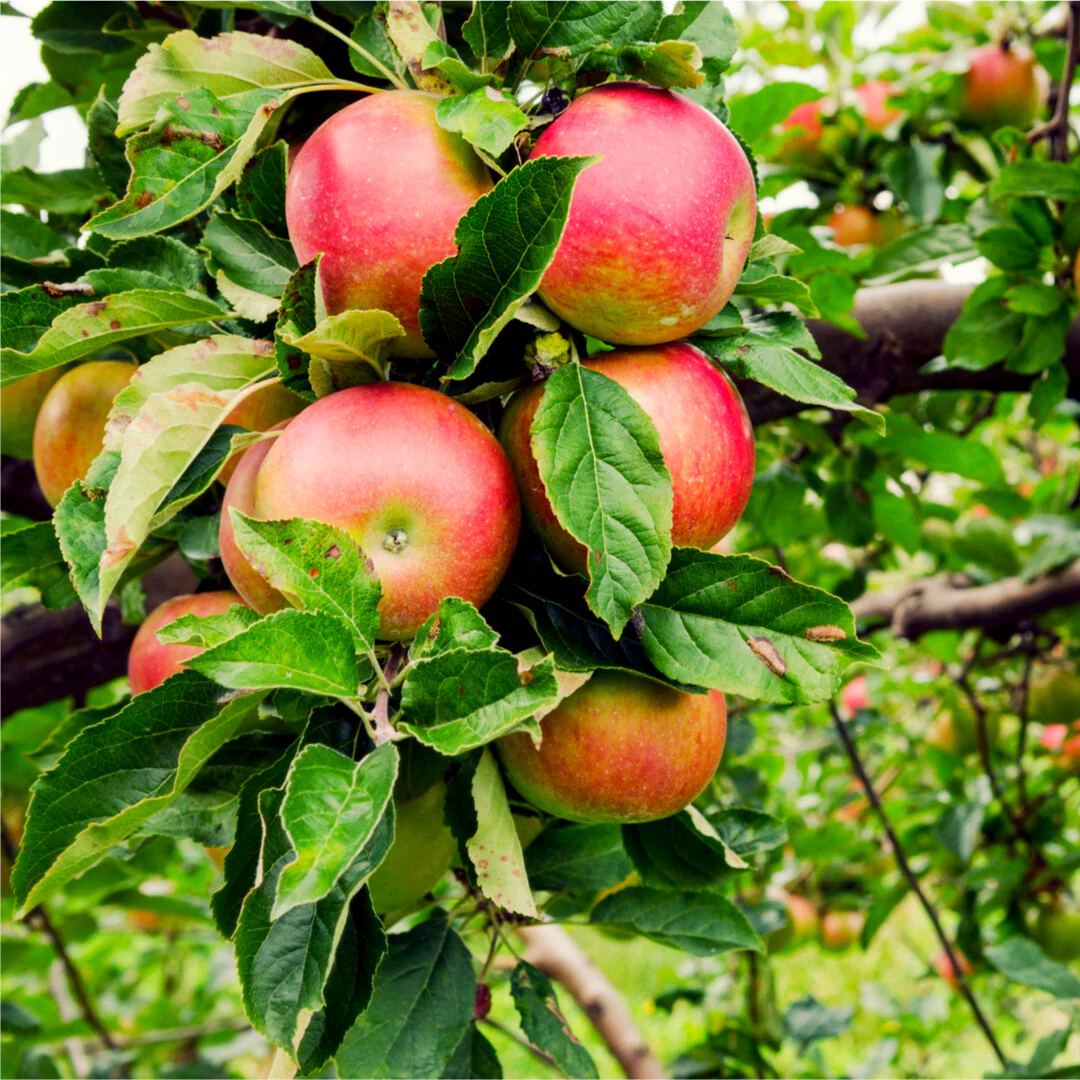
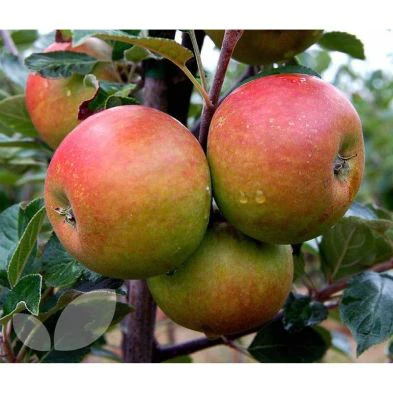
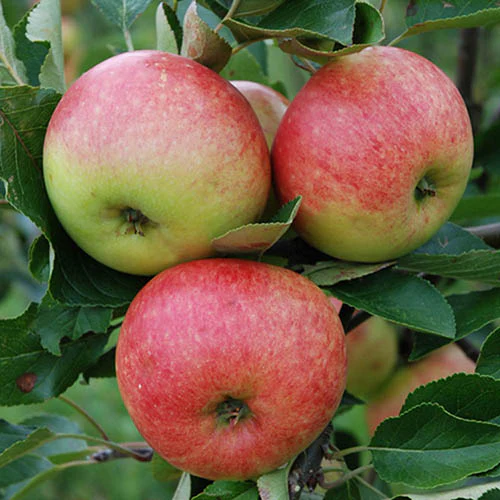
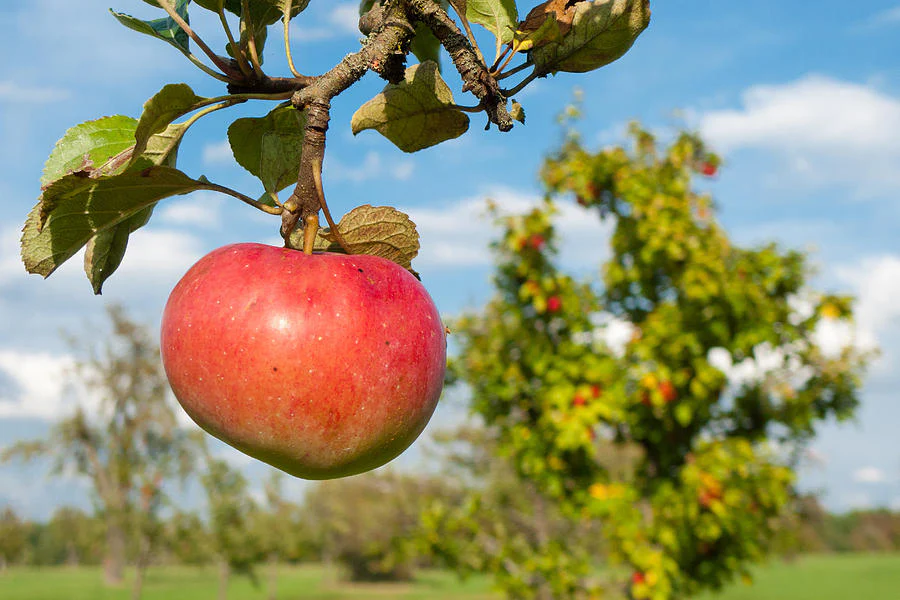
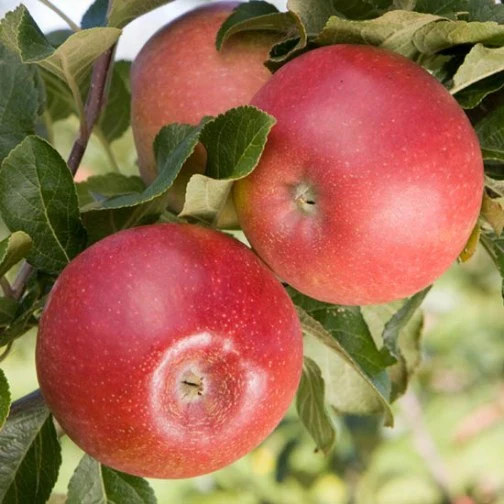
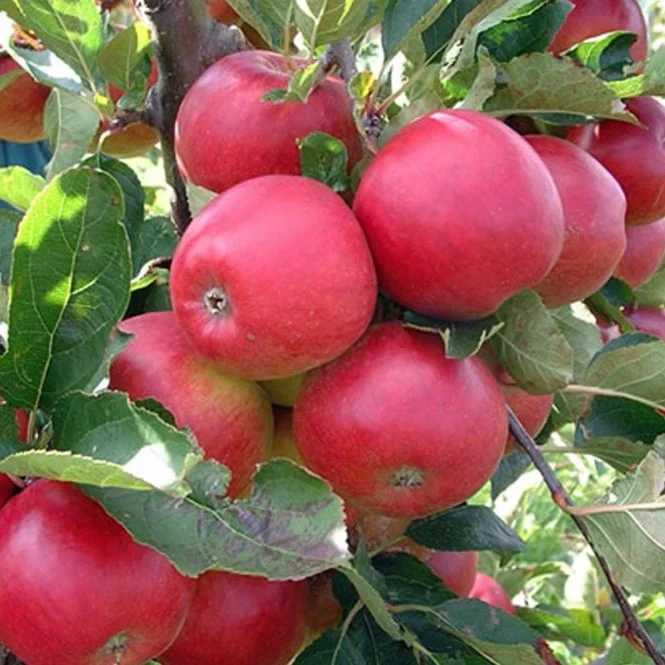
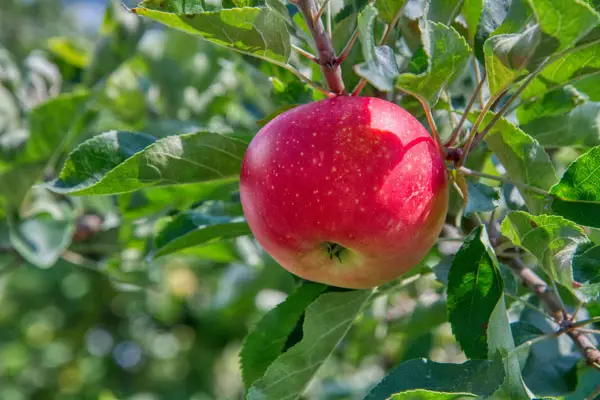
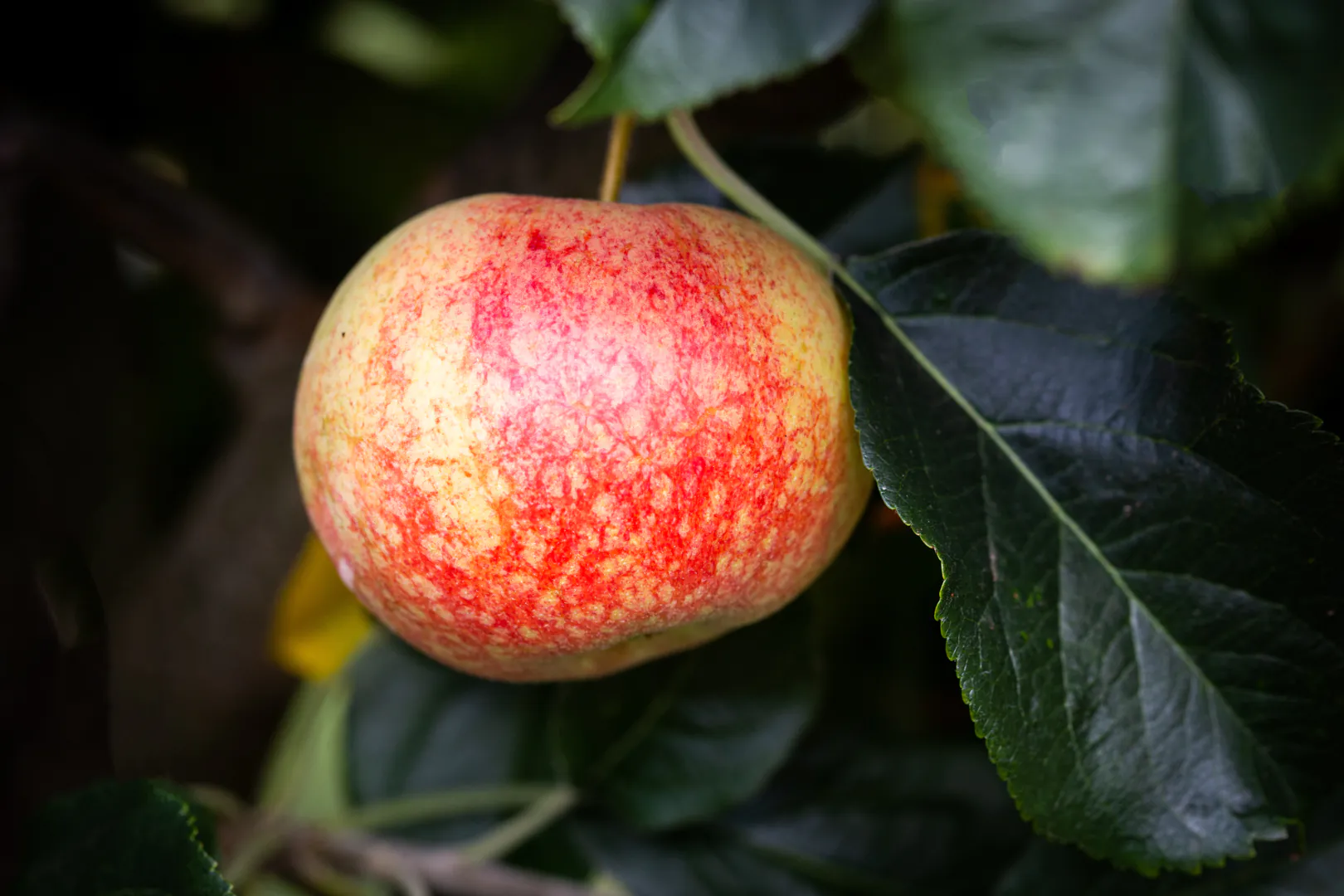
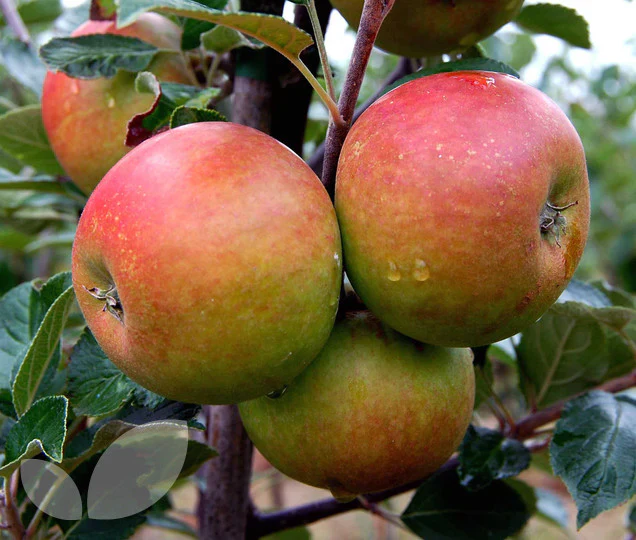
The Apple 'Cox's Orange Pippin' is a classic English dessert apple, renowned for its rich and complex flavor that blends both sweetness and a hint of acidity. This variety is celebrated for its aromatic qualities and the fine, crisp texture of its flesh. Recognized for its attractive orange-red skin, the 'Cox's Orange Pippin' has been a favorite since its introduction in the 19th century. While traditionally it was considered to require a pollinator, there are now self-fertile clones available, making it an even more appealing choice for home orchards where garden space might be limited.
Why we like it
- Offers a complex and richly flavored fruit, ideal for fresh eating.
- Beautiful orange-red skin that is as appealing in appearance as in taste.
- Now available in a self-fertile form, eliminating the need for multiple trees for pollination.
What to know
- Prefers a sunny spot in well-drained, fertile soil for optimal fruit production.
- While self-fertile, fruit set can benefit from the presence of other apple varieties for cross-pollination.
- Regular watering, especially during dry periods, is crucial for healthy growth and fruit development.
- Prune in winter to maintain tree shape and promote air circulation, which is essential for reducing disease risk.
- Keep an eye out for pests and diseases, such as apple scab or codling moth, and manage accordingly.
Self pollinator or cross pollinator The self-fertile version of 'Cox's Orange Pippin' can produce fruit on its own without the need for a second apple variety for cross-pollination. However, having another apple variety nearby can still enhance its fruit set and yield.
Harvesting Months
- Late September to October
Flowering Months
- May
Height and Spread The height and spread of 'Cox's Orange Pippin' trees can vary depending on the rootstock used, but typically, they reach about 200-400 centimeters in both height and spread when mature.
More Images
Apple Cox's Orange Pippin' - Self Fertile
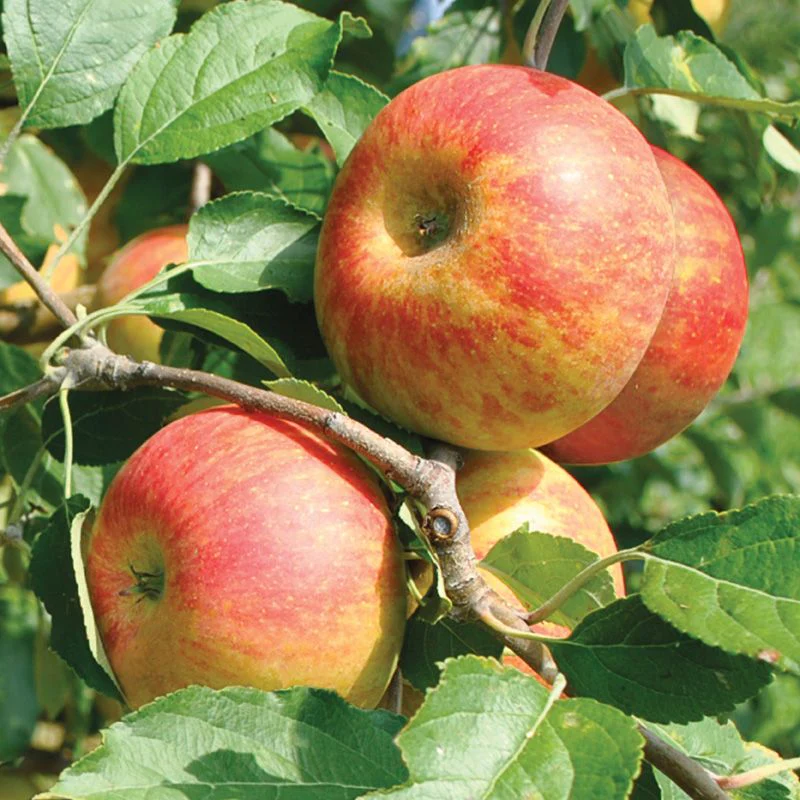
The Apple 'Cox's Orange Pippin' is a classic English dessert apple, renowned for its rich and complex flavor that blends both sweetness and a hint of acidity. This variety is celebrated for its aromatic qualities and the fine, crisp texture of its flesh. Recognized for its attractive orange-red skin, the 'Cox's Orange Pippin' has been a favorite since its introduction in the 19th century. While traditionally it was considered to require a pollinator, there are now self-fertile clones available, making it an even more appealing choice for home orchards where garden space might be limited.
Why we like it
- Offers a complex and richly flavored fruit, ideal for fresh eating.
- Beautiful orange-red skin that is as appealing in appearance as in taste.
- Now available in a self-fertile form, eliminating the need for multiple trees for pollination.
What to know
- Prefers a sunny spot in well-drained, fertile soil for optimal fruit production.
- While self-fertile, fruit set can benefit from the presence of other apple varieties for cross-pollination.
- Regular watering, especially during dry periods, is crucial for healthy growth and fruit development.
- Prune in winter to maintain tree shape and promote air circulation, which is essential for reducing disease risk.
- Keep an eye out for pests and diseases, such as apple scab or codling moth, and manage accordingly.
Self pollinator or cross pollinator The self-fertile version of 'Cox's Orange Pippin' can produce fruit on its own without the need for a second apple variety for cross-pollination. However, having another apple variety nearby can still enhance its fruit set and yield.
Harvesting Months
- Late September to October
Flowering Months
- May
Height and Spread The height and spread of 'Cox's Orange Pippin' trees can vary depending on the rootstock used, but typically, they reach about 200-400 centimeters in both height and spread when mature.
Product Information
Product Information
Shipping & Returns
Shipping & Returns
Description
The Apple 'Cox's Orange Pippin' is a classic English dessert apple, renowned for its rich and complex flavor that blends both sweetness and a hint of acidity. This variety is celebrated for its aromatic qualities and the fine, crisp texture of its flesh. Recognized for its attractive orange-red skin, the 'Cox's Orange Pippin' has been a favorite since its introduction in the 19th century. While traditionally it was considered to require a pollinator, there are now self-fertile clones available, making it an even more appealing choice for home orchards where garden space might be limited.
Why we like it
- Offers a complex and richly flavored fruit, ideal for fresh eating.
- Beautiful orange-red skin that is as appealing in appearance as in taste.
- Now available in a self-fertile form, eliminating the need for multiple trees for pollination.
What to know
- Prefers a sunny spot in well-drained, fertile soil for optimal fruit production.
- While self-fertile, fruit set can benefit from the presence of other apple varieties for cross-pollination.
- Regular watering, especially during dry periods, is crucial for healthy growth and fruit development.
- Prune in winter to maintain tree shape and promote air circulation, which is essential for reducing disease risk.
- Keep an eye out for pests and diseases, such as apple scab or codling moth, and manage accordingly.
Self pollinator or cross pollinator The self-fertile version of 'Cox's Orange Pippin' can produce fruit on its own without the need for a second apple variety for cross-pollination. However, having another apple variety nearby can still enhance its fruit set and yield.
Harvesting Months
- Late September to October
Flowering Months
- May
Height and Spread The height and spread of 'Cox's Orange Pippin' trees can vary depending on the rootstock used, but typically, they reach about 200-400 centimeters in both height and spread when mature.