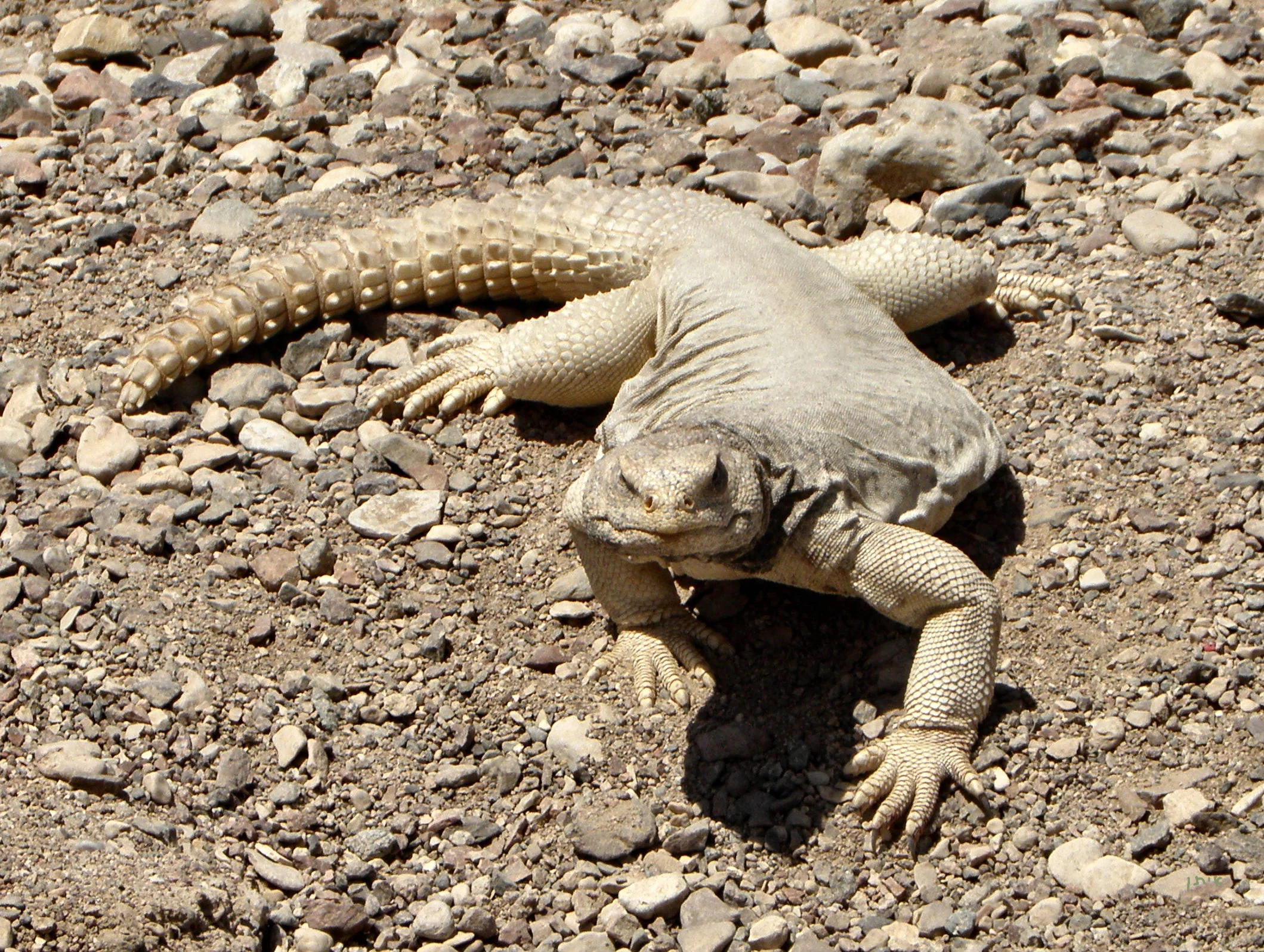
Egyptian uromastyx Captive Bred
Egyptian Uromastyx (Uromastyx aegyptia) Care Sheet
Quick Facts
| Attribute | Details |
|---|---|
| Common Name | Egyptian Uromastyx |
| Scientific Name | Uromastyx aegyptia |
| Origin | Egypt, Middle East, North Africa |
| Adult Size | 45–60 cm |
| Lifespan | 15–20 years in captivity |
| Activity | Diurnal, terrestrial herbivore |
Behavior
-
Diurnal and highly active during the day; spends time basking.
-
Generally calm and can become tame with regular handling.
-
Territorial; may show dominance displays with tail whipping or head bobbing.
-
Strong burrower; requires deep substrate for digging and shelter.
Enclosure Requirements
-
Tank Size: Minimum 150 liters for a single adult; larger preferred
-
Substrate: 10–15 cm of sand-soil mix or coconut fiber; allows burrowing
-
Decor: Rocks, hides, basking areas, and branches for climbing
-
Humidity: 20–40% (arid species; avoid high humidity)
-
Temperature:
-
Basking spot: 40–45°C
-
Ambient: 30–35°C
-
Night: 22–26°C
-
-
Lighting: 10–12 hours of full-spectrum light with UVB
-
Ventilation: Good airflow; avoid stagnant air
Compatibility
-
Best housed singly; territorial and can be aggressive toward conspecifics.
-
Avoid cohabiting with smaller or less aggressive species.
Diet
-
Strictly herbivorous; feeds on leafy greens, vegetables, and occasional flowers:
-
Dandelion greens, collard greens, mustard greens
-
Hibiscus flowers, nasturtium
-
-
Juveniles: feed daily; adults 4–5× per week
-
Provide a shallow water dish; Uromastyx often get most hydration from food
Care Tips
-
Provide secure hides and burrows to mimic natural desert environment.
-
Maintain high basking temperatures and adequate UVB for calcium metabolism.
-
Spot-clean daily; remove feces and uneaten food.
-
Offer mineral and calcium supplementation regularly.
-
Monitor for signs of dehydration, metabolic bone disease, or lethargy.
Breeding
-
Oviparous; females lay 5–20 eggs after a seasonal brumation period.
-
Eggs incubate for 60–90 days at 30–32°C.
-
Hatchlings are independent and require appropriate sized greens and warmth.
Visual Quick Guide
-
🏠 Enclosure: ≥150 L, deep substrate for burrowing, hides, basking areas
-
🌡️ Temp: Basking 40–45°C / Ambient 30–35°C / Night 22–26°C
-
💧 Humidity: 20–40%
-
🍴 Diet: Herbivorous (leafy greens, vegetables, flowers)
-
🕒 Activity: Diurnal, terrestrial, burrowing
-
⚠️ Stress: Provide secure hides, basking spots, and minimal disturbance
Please note: We don't ship live animals. You can order online and choose click and collect, and we will hold it for you.
Original: $725.86
-65%$725.86
$254.05More Images
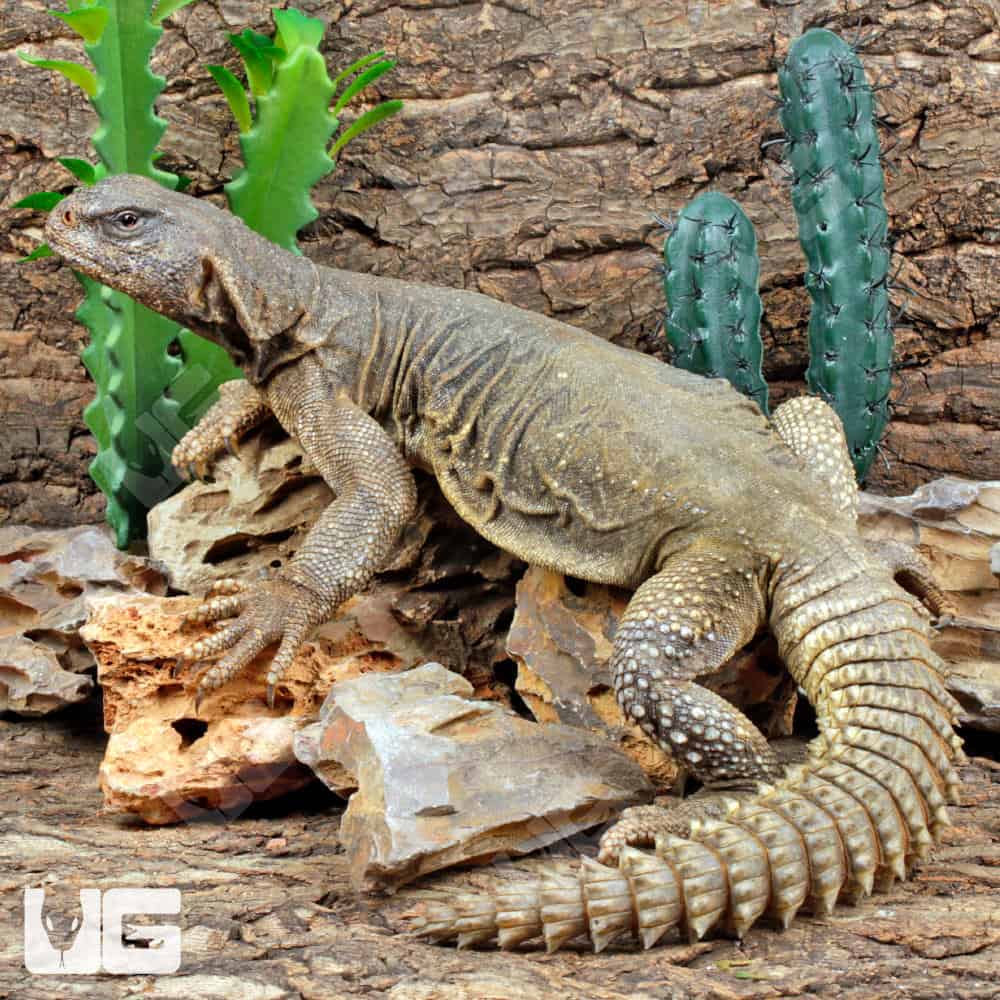
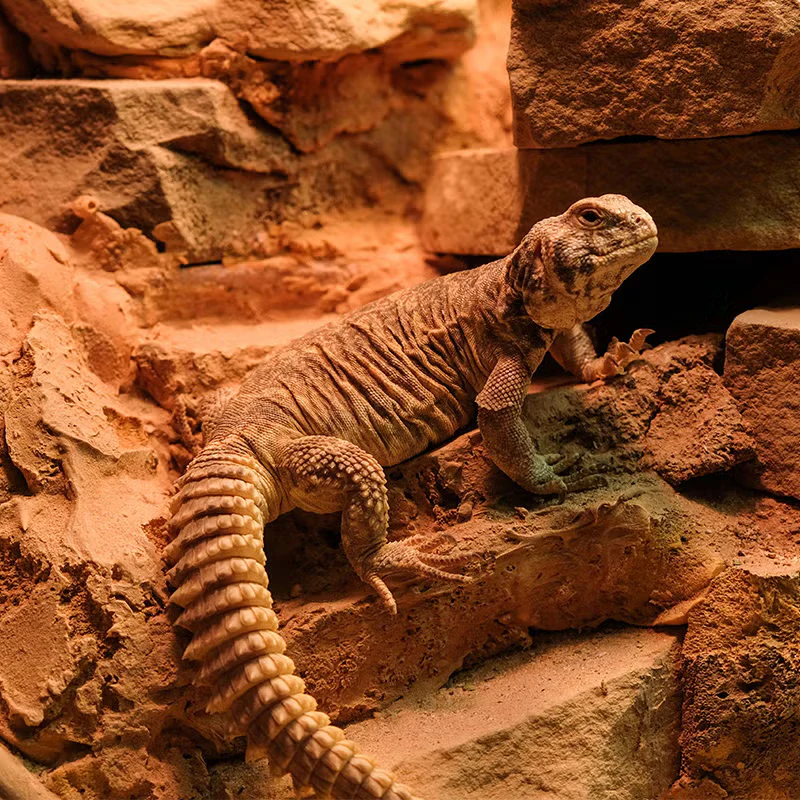
Egyptian uromastyx Captive Bred
Egyptian Uromastyx (Uromastyx aegyptia) Care Sheet
Quick Facts
| Attribute | Details |
|---|---|
| Common Name | Egyptian Uromastyx |
| Scientific Name | Uromastyx aegyptia |
| Origin | Egypt, Middle East, North Africa |
| Adult Size | 45–60 cm |
| Lifespan | 15–20 years in captivity |
| Activity | Diurnal, terrestrial herbivore |
Behavior
-
Diurnal and highly active during the day; spends time basking.
-
Generally calm and can become tame with regular handling.
-
Territorial; may show dominance displays with tail whipping or head bobbing.
-
Strong burrower; requires deep substrate for digging and shelter.
Enclosure Requirements
-
Tank Size: Minimum 150 liters for a single adult; larger preferred
-
Substrate: 10–15 cm of sand-soil mix or coconut fiber; allows burrowing
-
Decor: Rocks, hides, basking areas, and branches for climbing
-
Humidity: 20–40% (arid species; avoid high humidity)
-
Temperature:
-
Basking spot: 40–45°C
-
Ambient: 30–35°C
-
Night: 22–26°C
-
-
Lighting: 10–12 hours of full-spectrum light with UVB
-
Ventilation: Good airflow; avoid stagnant air
Compatibility
-
Best housed singly; territorial and can be aggressive toward conspecifics.
-
Avoid cohabiting with smaller or less aggressive species.
Diet
-
Strictly herbivorous; feeds on leafy greens, vegetables, and occasional flowers:
-
Dandelion greens, collard greens, mustard greens
-
Hibiscus flowers, nasturtium
-
-
Juveniles: feed daily; adults 4–5× per week
-
Provide a shallow water dish; Uromastyx often get most hydration from food
Care Tips
-
Provide secure hides and burrows to mimic natural desert environment.
-
Maintain high basking temperatures and adequate UVB for calcium metabolism.
-
Spot-clean daily; remove feces and uneaten food.
-
Offer mineral and calcium supplementation regularly.
-
Monitor for signs of dehydration, metabolic bone disease, or lethargy.
Breeding
-
Oviparous; females lay 5–20 eggs after a seasonal brumation period.
-
Eggs incubate for 60–90 days at 30–32°C.
-
Hatchlings are independent and require appropriate sized greens and warmth.
Visual Quick Guide
-
🏠 Enclosure: ≥150 L, deep substrate for burrowing, hides, basking areas
-
🌡️ Temp: Basking 40–45°C / Ambient 30–35°C / Night 22–26°C
-
💧 Humidity: 20–40%
-
🍴 Diet: Herbivorous (leafy greens, vegetables, flowers)
-
🕒 Activity: Diurnal, terrestrial, burrowing
-
⚠️ Stress: Provide secure hides, basking spots, and minimal disturbance
Please note: We don't ship live animals. You can order online and choose click and collect, and we will hold it for you.
Product Information
Product Information
Shipping & Returns
Shipping & Returns
Description
Egyptian Uromastyx (Uromastyx aegyptia) Care Sheet
Quick Facts
| Attribute | Details |
|---|---|
| Common Name | Egyptian Uromastyx |
| Scientific Name | Uromastyx aegyptia |
| Origin | Egypt, Middle East, North Africa |
| Adult Size | 45–60 cm |
| Lifespan | 15–20 years in captivity |
| Activity | Diurnal, terrestrial herbivore |
Behavior
-
Diurnal and highly active during the day; spends time basking.
-
Generally calm and can become tame with regular handling.
-
Territorial; may show dominance displays with tail whipping or head bobbing.
-
Strong burrower; requires deep substrate for digging and shelter.
Enclosure Requirements
-
Tank Size: Minimum 150 liters for a single adult; larger preferred
-
Substrate: 10–15 cm of sand-soil mix or coconut fiber; allows burrowing
-
Decor: Rocks, hides, basking areas, and branches for climbing
-
Humidity: 20–40% (arid species; avoid high humidity)
-
Temperature:
-
Basking spot: 40–45°C
-
Ambient: 30–35°C
-
Night: 22–26°C
-
-
Lighting: 10–12 hours of full-spectrum light with UVB
-
Ventilation: Good airflow; avoid stagnant air
Compatibility
-
Best housed singly; territorial and can be aggressive toward conspecifics.
-
Avoid cohabiting with smaller or less aggressive species.
Diet
-
Strictly herbivorous; feeds on leafy greens, vegetables, and occasional flowers:
-
Dandelion greens, collard greens, mustard greens
-
Hibiscus flowers, nasturtium
-
-
Juveniles: feed daily; adults 4–5× per week
-
Provide a shallow water dish; Uromastyx often get most hydration from food
Care Tips
-
Provide secure hides and burrows to mimic natural desert environment.
-
Maintain high basking temperatures and adequate UVB for calcium metabolism.
-
Spot-clean daily; remove feces and uneaten food.
-
Offer mineral and calcium supplementation regularly.
-
Monitor for signs of dehydration, metabolic bone disease, or lethargy.
Breeding
-
Oviparous; females lay 5–20 eggs after a seasonal brumation period.
-
Eggs incubate for 60–90 days at 30–32°C.
-
Hatchlings are independent and require appropriate sized greens and warmth.
Visual Quick Guide
-
🏠 Enclosure: ≥150 L, deep substrate for burrowing, hides, basking areas
-
🌡️ Temp: Basking 40–45°C / Ambient 30–35°C / Night 22–26°C
-
💧 Humidity: 20–40%
-
🍴 Diet: Herbivorous (leafy greens, vegetables, flowers)
-
🕒 Activity: Diurnal, terrestrial, burrowing
-
⚠️ Stress: Provide secure hides, basking spots, and minimal disturbance
Please note: We don't ship live animals. You can order online and choose click and collect, and we will hold it for you.