Apistogramma Agassizi Large
🐟 Apistogramma agassizii (Agassiz’s Dwarf Cichlid) Care Sheet
🔹 Overview
| Category | Details |
|---|---|
| Scientific Name | Apistogramma agassizii |
| Common Name | Agassiz’s Dwarf Cichlid |
| Origin | Amazon Basin, South America |
| Adult Size | 7–9 cm (2.8–3.5 in) |
| Lifespan | 4–6 years |
| Temperament | Semi-aggressive, territorial (especially males) |
| Tank Level | Bottom to mid-level |
🔹 Tank Setup
| Parameter | Ideal Range |
|---|---|
| Tank Size | 40+ liters (10+ gallons) for a pair; larger for community |
| Temperature | 24–28 °C (75–82 °F) |
| pH | 5.5–7.0 |
| Hardness | Soft to moderately soft (0–10 dGH preferred) |
| Substrate | Fine sand or smooth gravel |
| Decor | Driftwood, caves, leaf litter, and hiding spots |
| Lighting | Low to moderate |
| Filtration | Gentle water flow; sponge or canister filter with low output |
Tips:
-
Provide lots of hiding spots — males are territorial and females need retreat areas.
-
Use driftwood and Indian almond leaves to lower pH and mimic natural tannin-rich waters.
-
Maintain pristine water quality; dwarf cichlids are sensitive to ammonia and nitrites.
🔹 Diet
-
Type: Omnivorous
-
Best Foods: High-quality micro-pellets, flakes, frozen/live foods (daphnia, brine shrimp, bloodworms), and occasional blanched vegetables.
-
Feeding Frequency: 1–2 times daily; avoid overfeeding.
🔹 Behavior & Compatibility
-
Semi-aggressive; males defend territories, especially during breeding.
-
Females care for fry and may retreat to hiding areas if stressed.
-
Compatible with peaceful bottom and mid-level fish if tank is large and territories can be established.
🧭 Tank Mate Guide
✅ Compatible Species
-
Small tetras (e.g., cardinal, rummy-nose, ember tetra)
-
Corydoras catfish
-
Small peaceful rainbowfish or microfish
-
Otocinclus catfish
⚠️ Avoid or Use Caution With
-
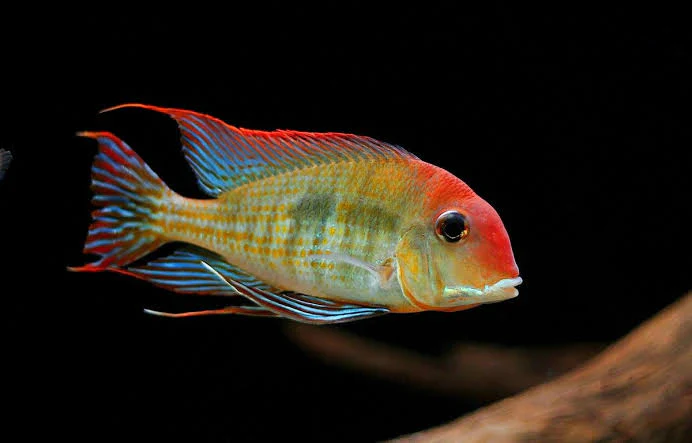
Aggressive cichlids (convict, green terror, oscars)
-
Large, fast swimmers that outcompete for food
-
Fin-nippers
🐣 Breeding Info
-
Spawning Method: Cave spawner — provide small caves, pots, or coconut shells.
-
Parental Care: Female guards eggs and fry; male defends territory.
-
Fry Care: Feed infusoria or liquid fry food first, then baby brine shrimp as fry grow.
🌿 Fun Facts
-
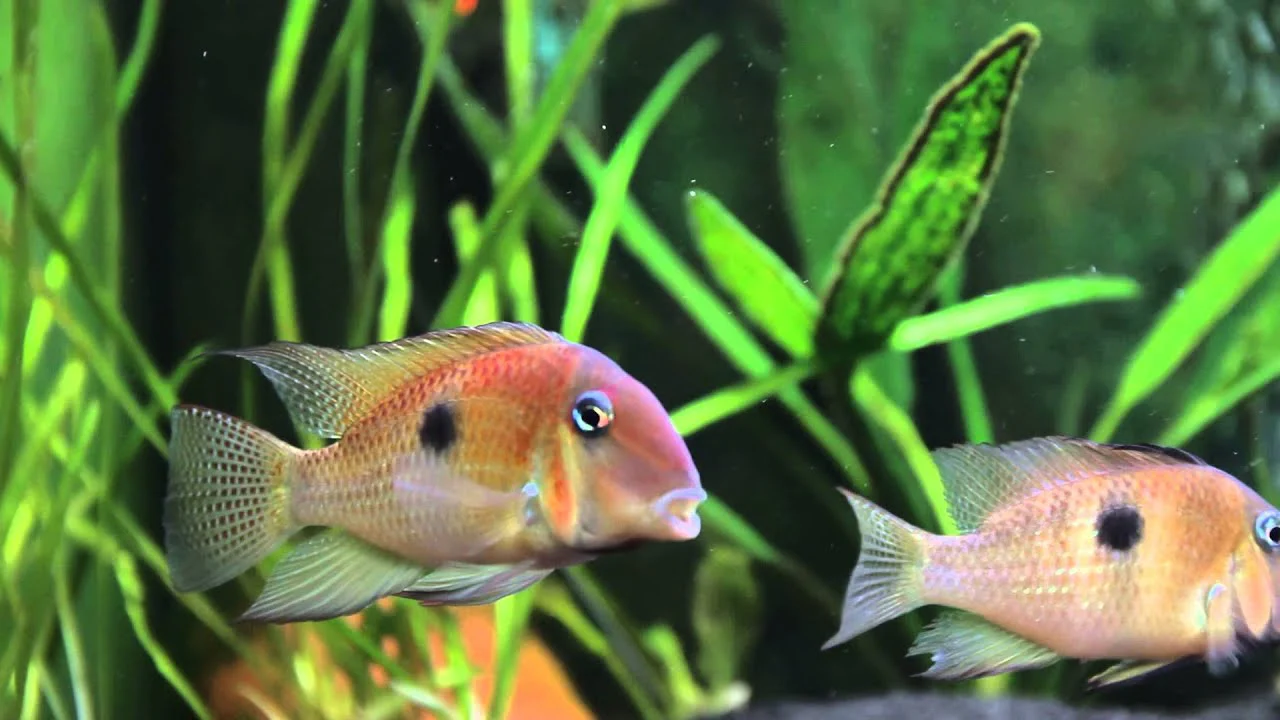
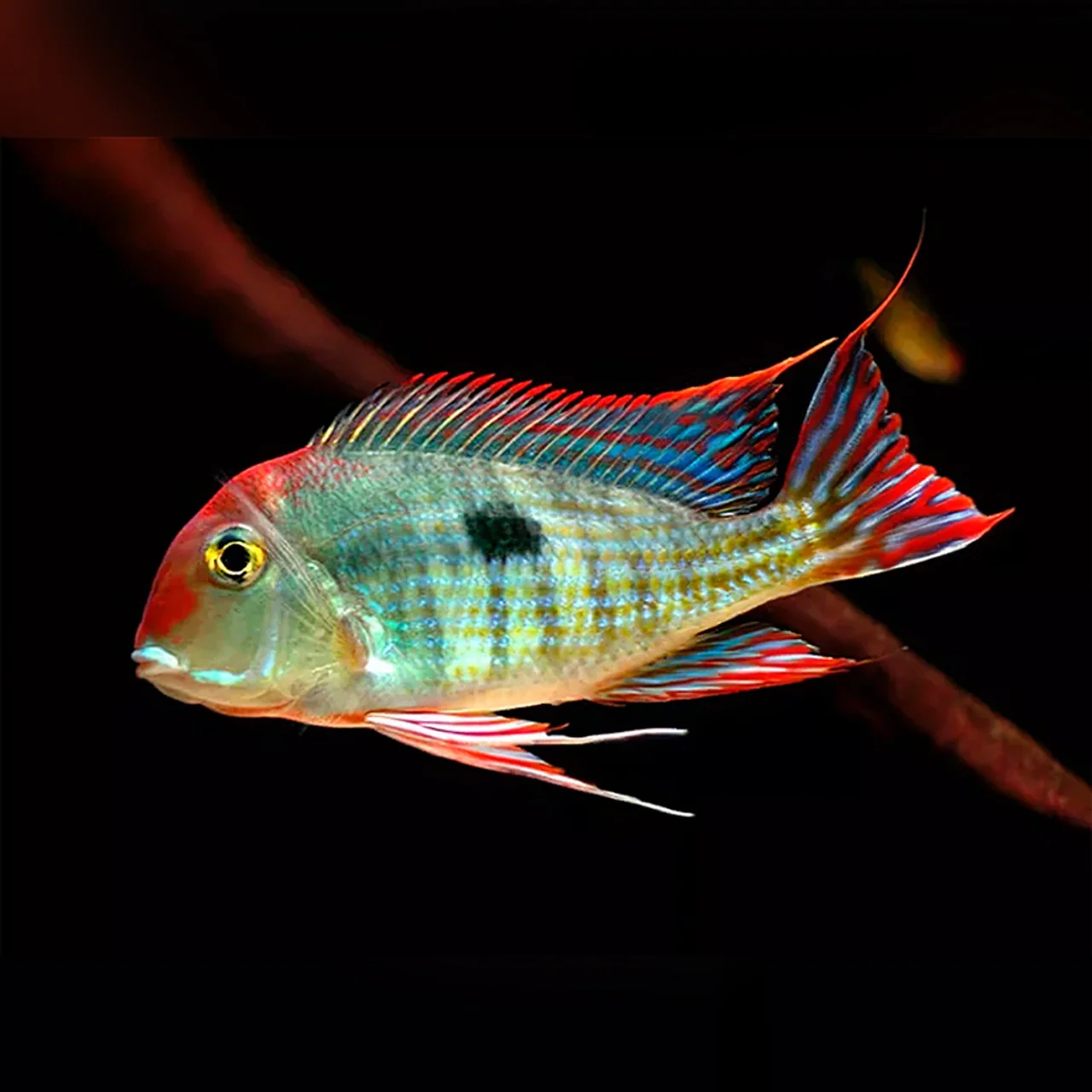
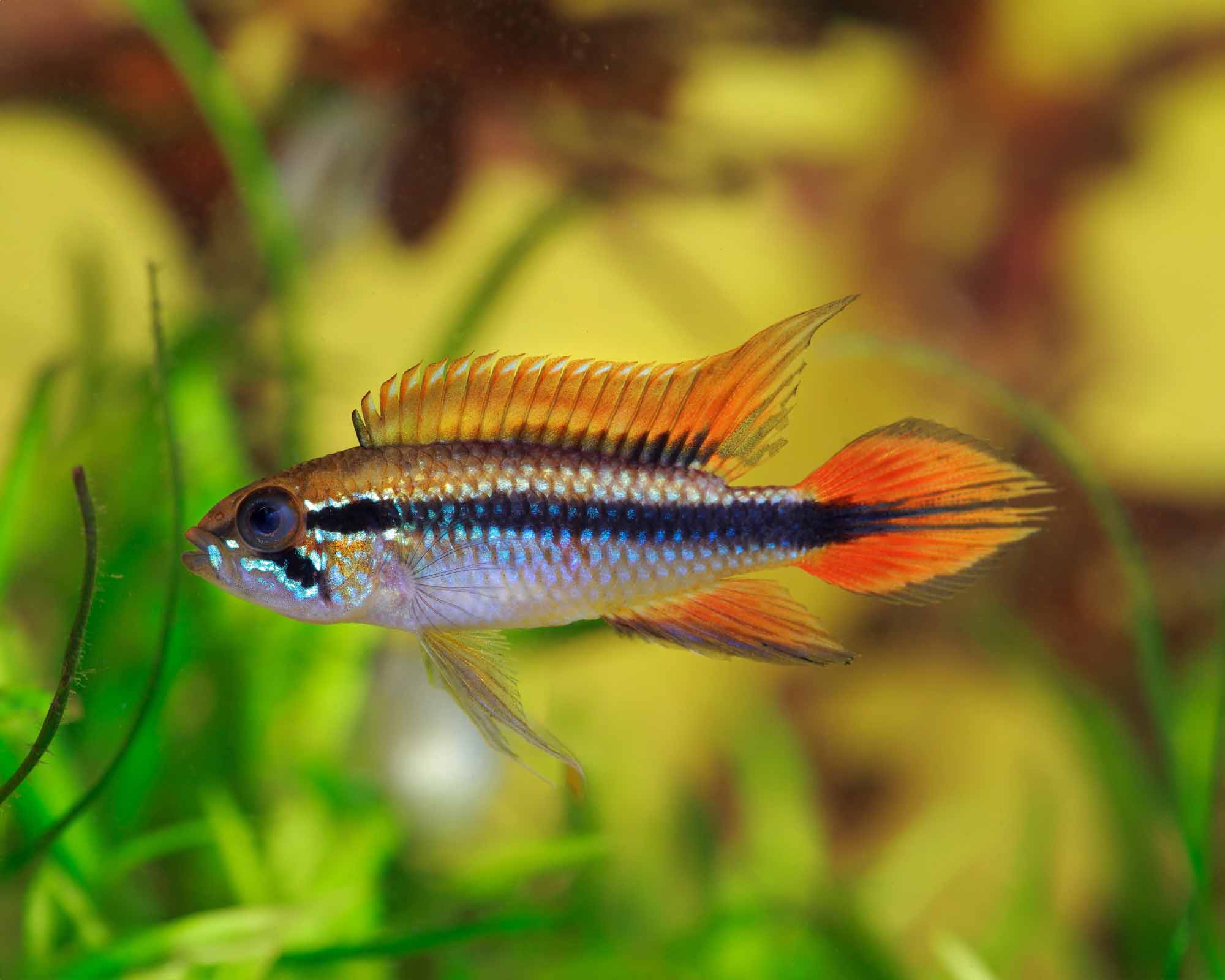
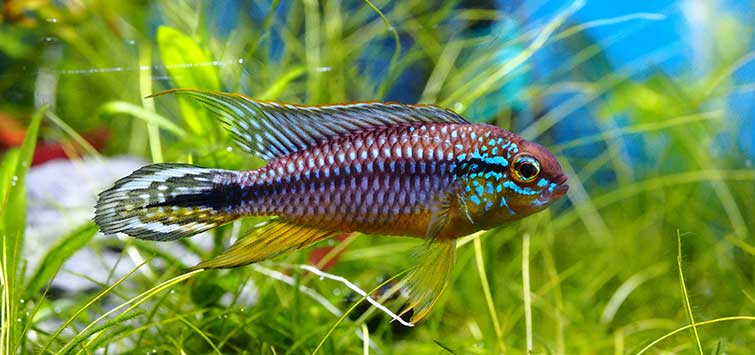
Coloration varies widely; wild types have vibrant yellow and red hues.
-
Popular among aquarists for their fascinating behaviors and parental care.
-
Ideal for planted aquariums with subdued lighting and plenty of hiding places.
More Images

Apistogramma Agassizi Large
🐟 Apistogramma agassizii (Agassiz’s Dwarf Cichlid) Care Sheet
🔹 Overview
| Category | Details |
|---|---|
| Scientific Name | Apistogramma agassizii |
| Common Name | Agassiz’s Dwarf Cichlid |
| Origin | Amazon Basin, South America |
| Adult Size | 7–9 cm (2.8–3.5 in) |
| Lifespan | 4–6 years |
| Temperament | Semi-aggressive, territorial (especially males) |
| Tank Level | Bottom to mid-level |
🔹 Tank Setup
| Parameter | Ideal Range |
|---|---|
| Tank Size | 40+ liters (10+ gallons) for a pair; larger for community |
| Temperature | 24–28 °C (75–82 °F) |
| pH | 5.5–7.0 |
| Hardness | Soft to moderately soft (0–10 dGH preferred) |
| Substrate | Fine sand or smooth gravel |
| Decor | Driftwood, caves, leaf litter, and hiding spots |
| Lighting | Low to moderate |
| Filtration | Gentle water flow; sponge or canister filter with low output |
Tips:
-
Provide lots of hiding spots — males are territorial and females need retreat areas.
-
Use driftwood and Indian almond leaves to lower pH and mimic natural tannin-rich waters.
-
Maintain pristine water quality; dwarf cichlids are sensitive to ammonia and nitrites.
🔹 Diet
-
Type: Omnivorous
-
Best Foods: High-quality micro-pellets, flakes, frozen/live foods (daphnia, brine shrimp, bloodworms), and occasional blanched vegetables.
-
Feeding Frequency: 1–2 times daily; avoid overfeeding.
🔹 Behavior & Compatibility
-
Semi-aggressive; males defend territories, especially during breeding.
-
Females care for fry and may retreat to hiding areas if stressed.
-
Compatible with peaceful bottom and mid-level fish if tank is large and territories can be established.
🧭 Tank Mate Guide
✅ Compatible Species
-
Small tetras (e.g., cardinal, rummy-nose, ember tetra)
-
Corydoras catfish
-
Small peaceful rainbowfish or microfish
-
Otocinclus catfish
⚠️ Avoid or Use Caution With
-
Aggressive cichlids (convict, green terror, oscars)
-
Large, fast swimmers that outcompete for food
-
Fin-nippers
🐣 Breeding Info
-
Spawning Method: Cave spawner — provide small caves, pots, or coconut shells.
-
Parental Care: Female guards eggs and fry; male defends territory.
-
Fry Care: Feed infusoria or liquid fry food first, then baby brine shrimp as fry grow.
🌿 Fun Facts
-
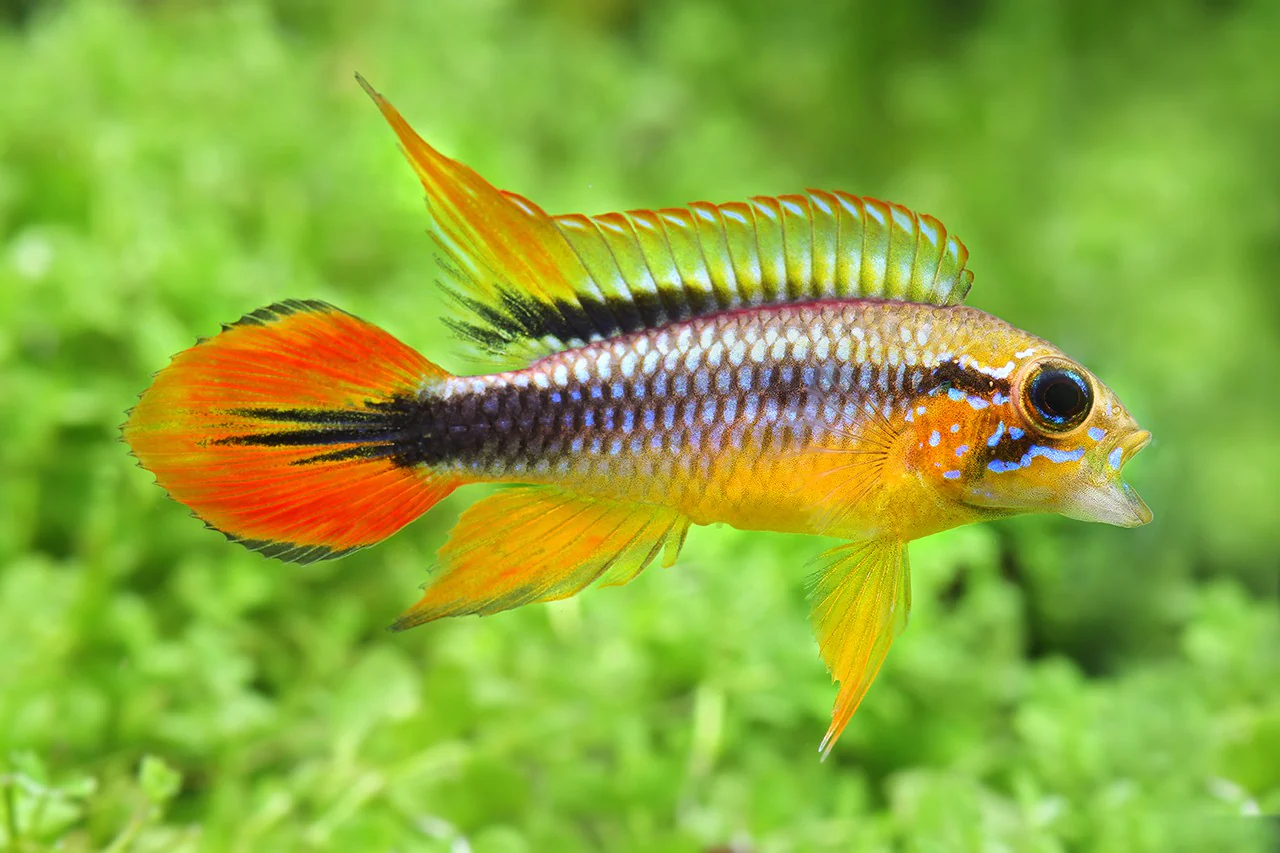
Coloration varies widely; wild types have vibrant yellow and red hues.
-
Popular among aquarists for their fascinating behaviors and parental care.
-
Ideal for planted aquariums with subdued lighting and plenty of hiding places.
Product Information
Product Information
Shipping & Returns
Shipping & Returns
Description
🐟 Apistogramma agassizii (Agassiz’s Dwarf Cichlid) Care Sheet
🔹 Overview
| Category | Details |
|---|---|
| Scientific Name | Apistogramma agassizii |
| Common Name | Agassiz’s Dwarf Cichlid |
| Origin | Amazon Basin, South America |
| Adult Size | 7–9 cm (2.8–3.5 in) |
| Lifespan | 4–6 years |
| Temperament | Semi-aggressive, territorial (especially males) |
| Tank Level | Bottom to mid-level |
🔹 Tank Setup
| Parameter | Ideal Range |
|---|---|
| Tank Size | 40+ liters (10+ gallons) for a pair; larger for community |
| Temperature | 24–28 °C (75–82 °F) |
| pH | 5.5–7.0 |
| Hardness | Soft to moderately soft (0–10 dGH preferred) |
| Substrate | Fine sand or smooth gravel |
| Decor | Driftwood, caves, leaf litter, and hiding spots |
| Lighting | Low to moderate |
| Filtration | Gentle water flow; sponge or canister filter with low output |
Tips:
-
Provide lots of hiding spots — males are territorial and females need retreat areas.
-
Use driftwood and Indian almond leaves to lower pH and mimic natural tannin-rich waters.
-
Maintain pristine water quality; dwarf cichlids are sensitive to ammonia and nitrites.
🔹 Diet
-
Type: Omnivorous
-
Best Foods: High-quality micro-pellets, flakes, frozen/live foods (daphnia, brine shrimp, bloodworms), and occasional blanched vegetables.
-
Feeding Frequency: 1–2 times daily; avoid overfeeding.
🔹 Behavior & Compatibility
-
Semi-aggressive; males defend territories, especially during breeding.
-
Females care for fry and may retreat to hiding areas if stressed.
-
Compatible with peaceful bottom and mid-level fish if tank is large and territories can be established.
🧭 Tank Mate Guide
✅ Compatible Species
-
Small tetras (e.g., cardinal, rummy-nose, ember tetra)
-
Corydoras catfish
-
Small peaceful rainbowfish or microfish
-
Otocinclus catfish
⚠️ Avoid or Use Caution With
-
Aggressive cichlids (convict, green terror, oscars)
-
Large, fast swimmers that outcompete for food
-
Fin-nippers
🐣 Breeding Info
-
Spawning Method: Cave spawner — provide small caves, pots, or coconut shells.
-
Parental Care: Female guards eggs and fry; male defends territory.
-
Fry Care: Feed infusoria or liquid fry food first, then baby brine shrimp as fry grow.
🌿 Fun Facts
-
Coloration varies widely; wild types have vibrant yellow and red hues.
-
Popular among aquarists for their fascinating behaviors and parental care.
-
Ideal for planted aquariums with subdued lighting and plenty of hiding places.