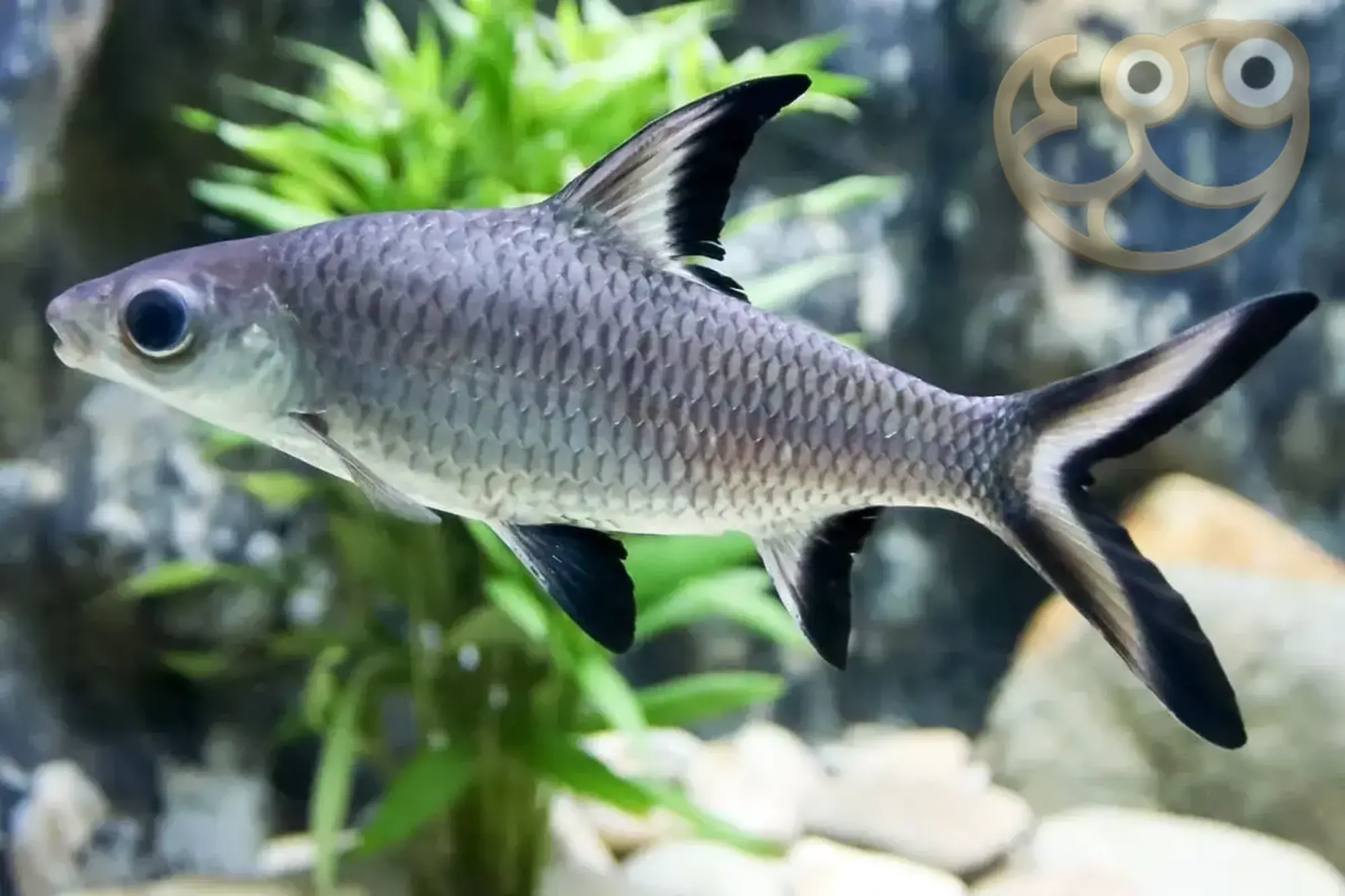
Bala Shark 4"
🐟 Bala Shark Care Sheet
🔹 Overview
| Category | Details |
|---|---|
| Scientific Name | Balantiocheilos melanopterus |
| Common Name | Bala Shark |
| Origin | Southeast Asia (Thailand, Malaysia, Sumatra, Borneo) |
| Adult Size | 30–35 cm (12–14 in) in captivity |
| Lifespan | 8–12 years |
| Temperament | Peaceful, schooling, active |
| Tank Level | Mid to upper |
🔹 Tank Setup
| Parameter | Ideal Range |
|---|---|
| Tank Size | 500+ liters (130+ gallons) for adults; smaller juveniles require at least 200 liters (50+ gallons) |
| Temperature | 22–28 °C (72–82 °F) |
| pH | 6.5–7.5 |
| Hardness | 5–15 dGH |
| Substrate | Sand or fine gravel |
| Decor | Open swimming space, some plants, driftwood or rocks for hiding |
| Lighting | Moderate |
| Filtration | Strong filtration; they are active swimmers and produce moderate waste |
Tips:
-
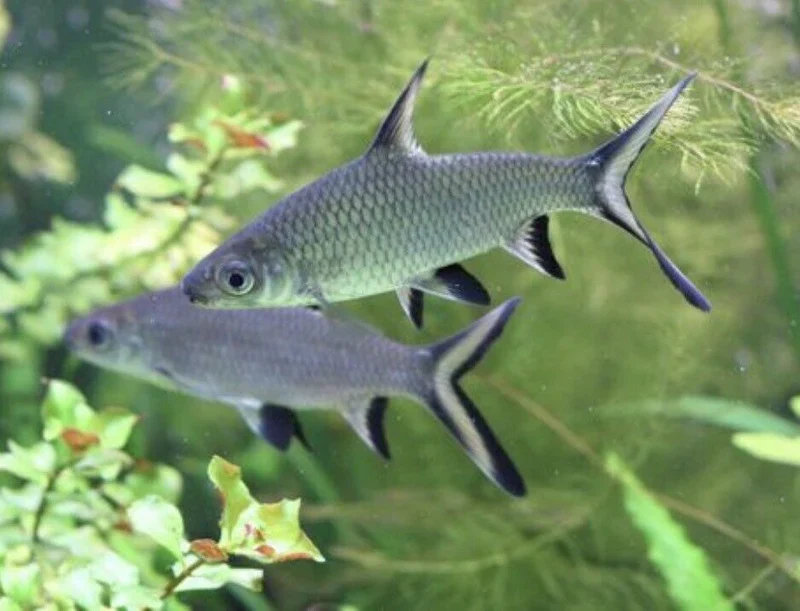
Keep in schools of 5 or more; Bala Sharks are social and stressed when alone.
-
Provide plenty of swimming space — they are fast and active.
-
Regular water changes are essential for maintaining water quality.
🔹 Diet
-
Type: Omnivorous
-
Best Foods: Flakes, pellets, frozen/live foods (bloodworms, brine shrimp, daphnia), occasional vegetables.
-
Feeding Frequency: 2–3 times daily; feed only what they can consume in a few minutes.
🔹 Behavior & Compatibility
-
Peaceful, but large size means they can outcompete smaller fish.
-
Best kept with other large, non-aggressive community fish.
-
Active swimmers; require open mid-to-upper tank areas.
🧭 Tank Mate Guide
✅ Compatible Species
-
Large tetras, barbs, rainbowfish
-
Large gouramis
-
Silver Dollars
-
Other peaceful large fish
⚠️ Avoid or Use Caution With
-
Very small fish (may be eaten)
-
Slow-moving or delicate fish
-
Aggressive species
🐣 Breeding Info
-
Rarely bred in home aquaria; mostly bred in commercial setups.
-
Parental Care: None; adults do not guard eggs.
-
Fry feed on micro-foods like infusoria or powdered fry foods.
🌿 Fun Facts
-
Despite the name, Bala Sharks are not true sharks; they are large cyprinids.
-
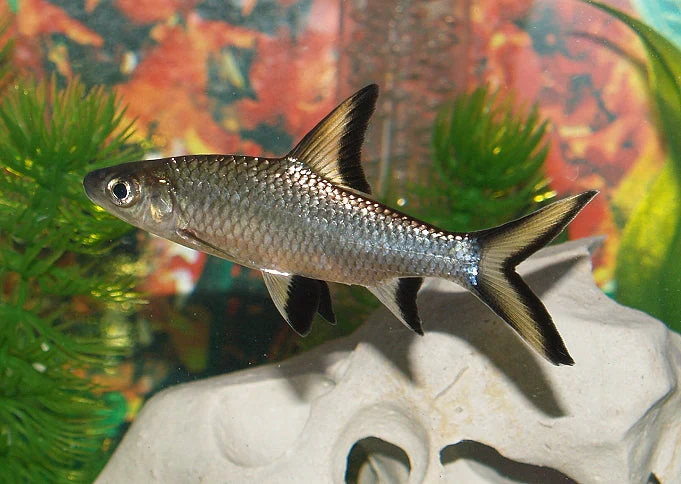
Named for their silver body and black-edged fins.
-
Highly active and striking in large planted community tanks.
More Images
Bala Shark 4"
🐟 Bala Shark Care Sheet
🔹 Overview
| Category | Details |
|---|---|
| Scientific Name | Balantiocheilos melanopterus |
| Common Name | Bala Shark |
| Origin | Southeast Asia (Thailand, Malaysia, Sumatra, Borneo) |
| Adult Size | 30–35 cm (12–14 in) in captivity |
| Lifespan | 8–12 years |
| Temperament | Peaceful, schooling, active |
| Tank Level | Mid to upper |
🔹 Tank Setup
| Parameter | Ideal Range |
|---|---|
| Tank Size | 500+ liters (130+ gallons) for adults; smaller juveniles require at least 200 liters (50+ gallons) |
| Temperature | 22–28 °C (72–82 °F) |
| pH | 6.5–7.5 |
| Hardness | 5–15 dGH |
| Substrate | Sand or fine gravel |
| Decor | Open swimming space, some plants, driftwood or rocks for hiding |
| Lighting | Moderate |
| Filtration | Strong filtration; they are active swimmers and produce moderate waste |
Tips:
-
Keep in schools of 5 or more; Bala Sharks are social and stressed when alone.
-
Provide plenty of swimming space — they are fast and active.
-
Regular water changes are essential for maintaining water quality.
🔹 Diet
-
Type: Omnivorous
-
Best Foods: Flakes, pellets, frozen/live foods (bloodworms, brine shrimp, daphnia), occasional vegetables.
-
Feeding Frequency: 2–3 times daily; feed only what they can consume in a few minutes.
🔹 Behavior & Compatibility
-
Peaceful, but large size means they can outcompete smaller fish.
-
Best kept with other large, non-aggressive community fish.
-
Active swimmers; require open mid-to-upper tank areas.
🧭 Tank Mate Guide
✅ Compatible Species
-
Large tetras, barbs, rainbowfish
-
Large gouramis
-
Silver Dollars
-
Other peaceful large fish
⚠️ Avoid or Use Caution With
-
Very small fish (may be eaten)
-
Slow-moving or delicate fish
-
Aggressive species
🐣 Breeding Info
-
Rarely bred in home aquaria; mostly bred in commercial setups.
-
Parental Care: None; adults do not guard eggs.
-
Fry feed on micro-foods like infusoria or powdered fry foods.
🌿 Fun Facts
-
Despite the name, Bala Sharks are not true sharks; they are large cyprinids.
-
Named for their silver body and black-edged fins.
-
Highly active and striking in large planted community tanks.
Product Information
Product Information
Shipping & Returns
Shipping & Returns
Description
🐟 Bala Shark Care Sheet
🔹 Overview
| Category | Details |
|---|---|
| Scientific Name | Balantiocheilos melanopterus |
| Common Name | Bala Shark |
| Origin | Southeast Asia (Thailand, Malaysia, Sumatra, Borneo) |
| Adult Size | 30–35 cm (12–14 in) in captivity |
| Lifespan | 8–12 years |
| Temperament | Peaceful, schooling, active |
| Tank Level | Mid to upper |
🔹 Tank Setup
| Parameter | Ideal Range |
|---|---|
| Tank Size | 500+ liters (130+ gallons) for adults; smaller juveniles require at least 200 liters (50+ gallons) |
| Temperature | 22–28 °C (72–82 °F) |
| pH | 6.5–7.5 |
| Hardness | 5–15 dGH |
| Substrate | Sand or fine gravel |
| Decor | Open swimming space, some plants, driftwood or rocks for hiding |
| Lighting | Moderate |
| Filtration | Strong filtration; they are active swimmers and produce moderate waste |
Tips:
-
Keep in schools of 5 or more; Bala Sharks are social and stressed when alone.
-
Provide plenty of swimming space — they are fast and active.
-
Regular water changes are essential for maintaining water quality.
🔹 Diet
-
Type: Omnivorous
-
Best Foods: Flakes, pellets, frozen/live foods (bloodworms, brine shrimp, daphnia), occasional vegetables.
-
Feeding Frequency: 2–3 times daily; feed only what they can consume in a few minutes.
🔹 Behavior & Compatibility
-
Peaceful, but large size means they can outcompete smaller fish.
-
Best kept with other large, non-aggressive community fish.
-
Active swimmers; require open mid-to-upper tank areas.
🧭 Tank Mate Guide
✅ Compatible Species
-
Large tetras, barbs, rainbowfish
-
Large gouramis
-
Silver Dollars
-
Other peaceful large fish
⚠️ Avoid or Use Caution With
-
Very small fish (may be eaten)
-
Slow-moving or delicate fish
-
Aggressive species
🐣 Breeding Info
-
Rarely bred in home aquaria; mostly bred in commercial setups.
-
Parental Care: None; adults do not guard eggs.
-
Fry feed on micro-foods like infusoria or powdered fry foods.
🌿 Fun Facts
-
Despite the name, Bala Sharks are not true sharks; they are large cyprinids.
-
Named for their silver body and black-edged fins.
-
Highly active and striking in large planted community tanks.