🎉 Up to 70% Off Selected ItemsShop Sale

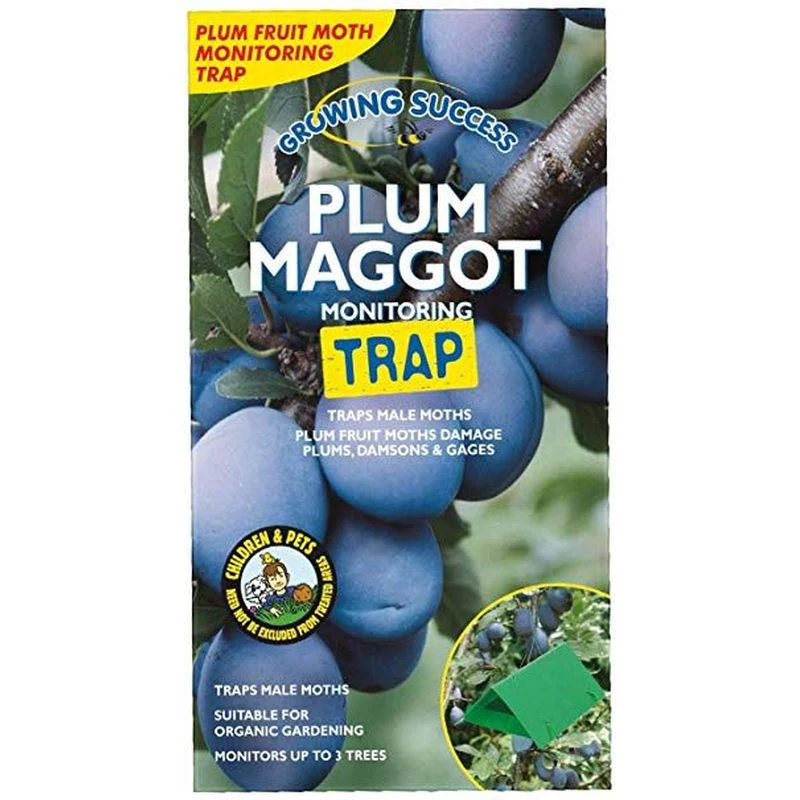
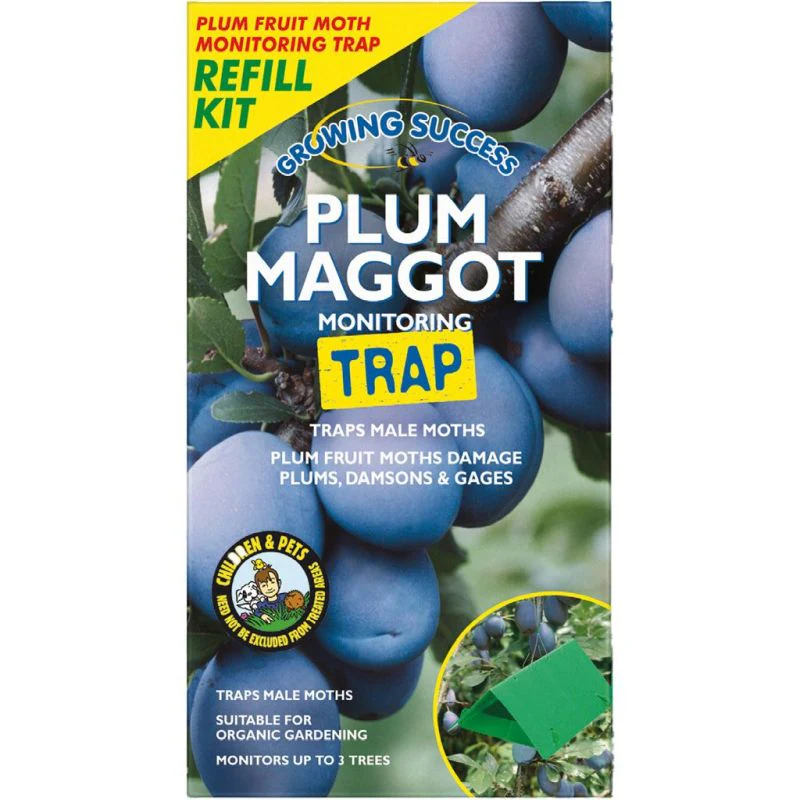
Growing Success Apple Maggot Trap Single Size
The main cause of maggot damage in apples and pears is due to the caterpillars produced by codling moth. Female winter moths lay eggs in trees. The eggs hatch out into caterpillars which feed ravenously on fruit in early summer. The Growing Success Apple Maggot Monitoring Trap allows gardeners to assess the infestation problem and treat with a suitable insecticide if necessary.
- Unfold the sticky insert and place sticky side up in the base of the trap
- Open the foil sachet and place the monitoring lure on the middle of the sticky trap
- Hang the trap at head height on the windward side of the tree of trees. The trap will monitor moths for five average size trees up to 12 metres apart
- Inspect the traps regularly. If more than 12 moths are trapped per week, treat with a suitable insecticide
- Replace sticky glue insert and monitoring lure after 6 weeks of use and dispose of the old safely
- Remove trap early September and dispose of the sticky insert and monitoring lure
- Unfold the sticky insert and place sticky side up in the base of the trap
- Open the foil sachet and place the monitoring lure on the middle of the sticky trap
- Hang the trap at head height on the windward side of the tree of trees. The trap will monitor moths for five average size trees up to 12 metres apart
- Inspect the traps regularly. If more than 12 moths are trapped per week, treat with a suitable insecticide
- Replace sticky glue insert and monitoring lure after 6 weeks of use and dispose of the old safely
- Remove trap early September and dispose of the sticky insert and monitoring lure
$5.89
Original: $16.83
-65%Growing Success Apple Maggot Trap Single Size—
$16.83
$5.89Growing Success Apple Maggot Trap Single Size
The main cause of maggot damage in apples and pears is due to the caterpillars produced by codling moth. Female winter moths lay eggs in trees. The eggs hatch out into caterpillars which feed ravenously on fruit in early summer. The Growing Success Apple Maggot Monitoring Trap allows gardeners to assess the infestation problem and treat with a suitable insecticide if necessary.
- Unfold the sticky insert and place sticky side up in the base of the trap
- Open the foil sachet and place the monitoring lure on the middle of the sticky trap
- Hang the trap at head height on the windward side of the tree of trees. The trap will monitor moths for five average size trees up to 12 metres apart
- Inspect the traps regularly. If more than 12 moths are trapped per week, treat with a suitable insecticide
- Replace sticky glue insert and monitoring lure after 6 weeks of use and dispose of the old safely
- Remove trap early September and dispose of the sticky insert and monitoring lure
- Unfold the sticky insert and place sticky side up in the base of the trap
- Open the foil sachet and place the monitoring lure on the middle of the sticky trap
- Hang the trap at head height on the windward side of the tree of trees. The trap will monitor moths for five average size trees up to 12 metres apart
- Inspect the traps regularly. If more than 12 moths are trapped per week, treat with a suitable insecticide
- Replace sticky glue insert and monitoring lure after 6 weeks of use and dispose of the old safely
- Remove trap early September and dispose of the sticky insert and monitoring lure
Product Information
Product Information
Shipping & Returns
Shipping & Returns
Description
The main cause of maggot damage in apples and pears is due to the caterpillars produced by codling moth. Female winter moths lay eggs in trees. The eggs hatch out into caterpillars which feed ravenously on fruit in early summer. The Growing Success Apple Maggot Monitoring Trap allows gardeners to assess the infestation problem and treat with a suitable insecticide if necessary.
- Unfold the sticky insert and place sticky side up in the base of the trap
- Open the foil sachet and place the monitoring lure on the middle of the sticky trap
- Hang the trap at head height on the windward side of the tree of trees. The trap will monitor moths for five average size trees up to 12 metres apart
- Inspect the traps regularly. If more than 12 moths are trapped per week, treat with a suitable insecticide
- Replace sticky glue insert and monitoring lure after 6 weeks of use and dispose of the old safely
- Remove trap early September and dispose of the sticky insert and monitoring lure
- Unfold the sticky insert and place sticky side up in the base of the trap
- Open the foil sachet and place the monitoring lure on the middle of the sticky trap
- Hang the trap at head height on the windward side of the tree of trees. The trap will monitor moths for five average size trees up to 12 metres apart
- Inspect the traps regularly. If more than 12 moths are trapped per week, treat with a suitable insecticide
- Replace sticky glue insert and monitoring lure after 6 weeks of use and dispose of the old safely
- Remove trap early September and dispose of the sticky insert and monitoring lure