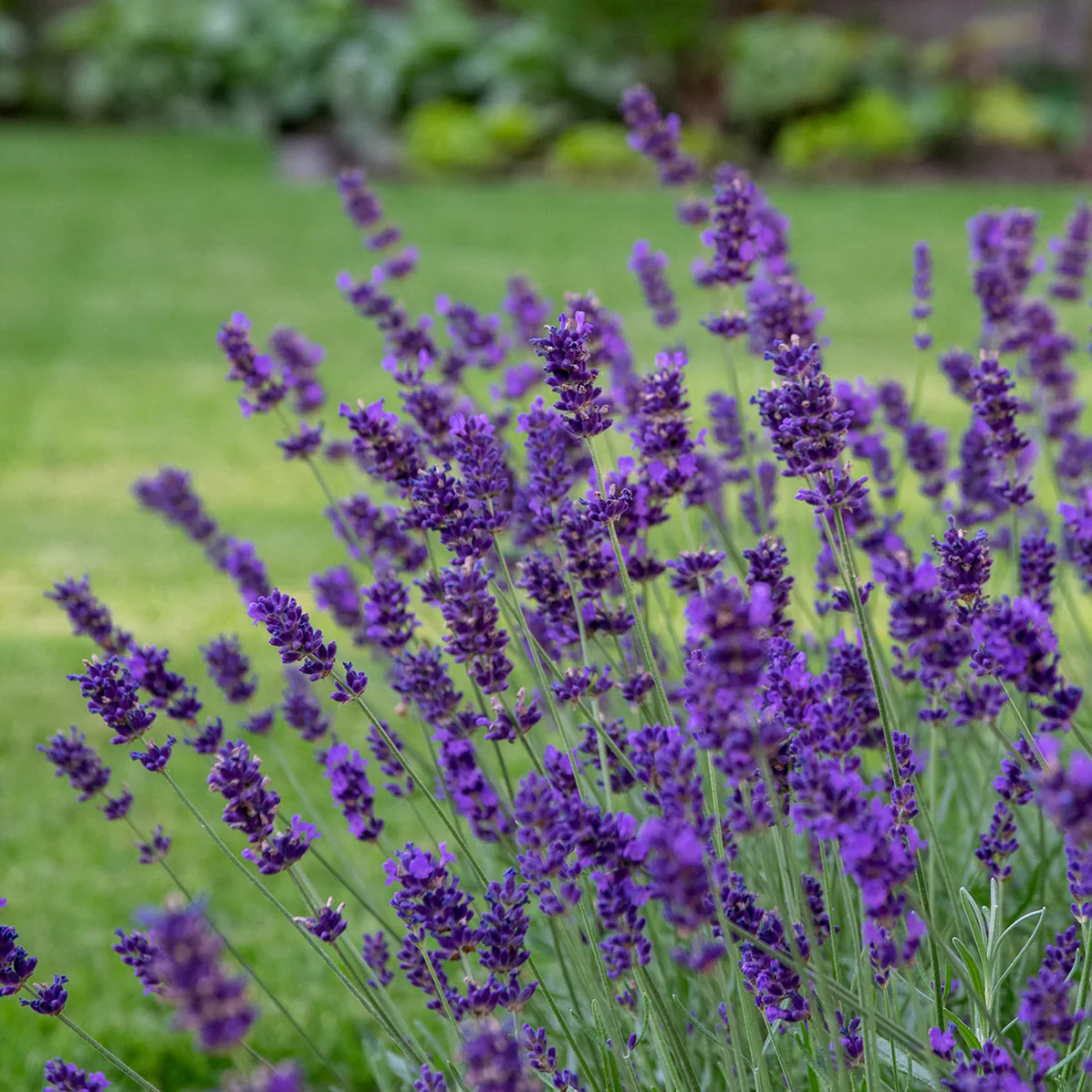
Lavander | Lavandula angustifolia 'Hidcote' 2 Litre
Lavender, or Lavandula angustifolia 'Hidcote', is a fragrant and popular garden plant in Ireland. Its purple-blue flowers and silvery-green foliage make it a visually stunning addition to any garden. Lavender is well-suited to Irish gardens because it prefers full sun and well-drained soil, which can be a challenge in Ireland's wet climate. This variety of lavender is particularly prized for its compact growth habit, making it an excellent choice for gardeners who want to create a low hedge or border. Its fragrant blooms also make it a favourite for cutting and drying for use in potpourri or sachets.
Why we like it:
- Lavender is a hardy plant that can thrive in Irish gardens.
- Its fragrant blooms attract bees and butterflies, making it a pollinator-friendly option.
- Its compact growth habit makes it ideal for use in borders or as a low hedge.
What to know:
- Lavender requires well-draining soil and full sun to thrive.
- To encourage bushier growth and more blooms, prune lavender in the spring before new growth appears.
- Lavender is drought-tolerant, so be careful not to overwater it.
- Blooms appear in the summer and can be cut and dried for use in potpourri or sachets.
- In colder climates, it is important to protect lavender from harsh winter weather by covering it with a protective layer of mulch.
Height and Spread:
- When fully grown, Lavandula angustifolia 'Hidcote' can reach a height of 45-60cm and a spread of 60-75cm.
More Images
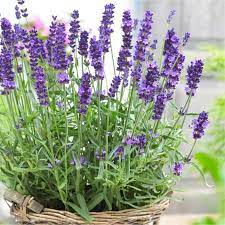
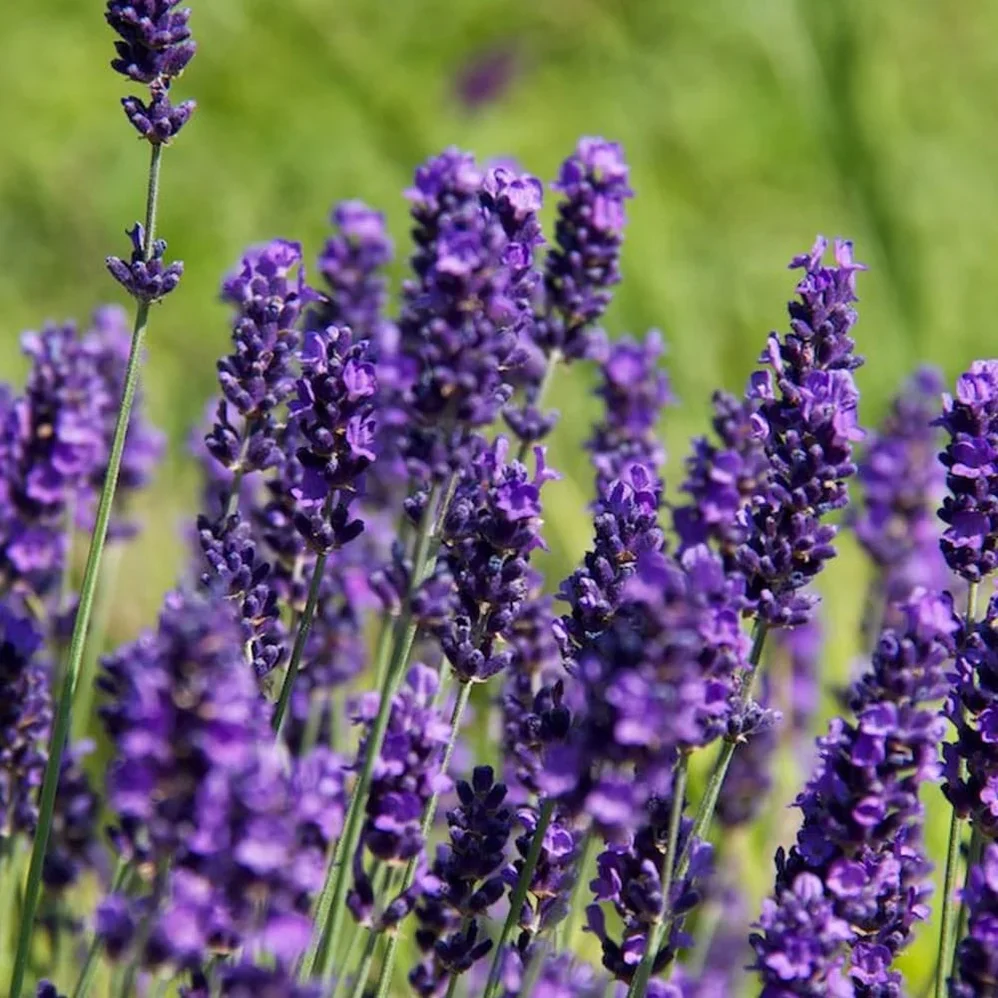
Lavander | Lavandula angustifolia 'Hidcote' 2 Litre
Lavender, or Lavandula angustifolia 'Hidcote', is a fragrant and popular garden plant in Ireland. Its purple-blue flowers and silvery-green foliage make it a visually stunning addition to any garden. Lavender is well-suited to Irish gardens because it prefers full sun and well-drained soil, which can be a challenge in Ireland's wet climate. This variety of lavender is particularly prized for its compact growth habit, making it an excellent choice for gardeners who want to create a low hedge or border. Its fragrant blooms also make it a favourite for cutting and drying for use in potpourri or sachets.
Why we like it:
- Lavender is a hardy plant that can thrive in Irish gardens.
- Its fragrant blooms attract bees and butterflies, making it a pollinator-friendly option.
- Its compact growth habit makes it ideal for use in borders or as a low hedge.
What to know:
- Lavender requires well-draining soil and full sun to thrive.
- To encourage bushier growth and more blooms, prune lavender in the spring before new growth appears.
- Lavender is drought-tolerant, so be careful not to overwater it.
- Blooms appear in the summer and can be cut and dried for use in potpourri or sachets.
- In colder climates, it is important to protect lavender from harsh winter weather by covering it with a protective layer of mulch.
Height and Spread:
- When fully grown, Lavandula angustifolia 'Hidcote' can reach a height of 45-60cm and a spread of 60-75cm.
Product Information
Product Information
Shipping & Returns
Shipping & Returns
Description
Lavender, or Lavandula angustifolia 'Hidcote', is a fragrant and popular garden plant in Ireland. Its purple-blue flowers and silvery-green foliage make it a visually stunning addition to any garden. Lavender is well-suited to Irish gardens because it prefers full sun and well-drained soil, which can be a challenge in Ireland's wet climate. This variety of lavender is particularly prized for its compact growth habit, making it an excellent choice for gardeners who want to create a low hedge or border. Its fragrant blooms also make it a favourite for cutting and drying for use in potpourri or sachets.
Why we like it:
- Lavender is a hardy plant that can thrive in Irish gardens.
- Its fragrant blooms attract bees and butterflies, making it a pollinator-friendly option.
- Its compact growth habit makes it ideal for use in borders or as a low hedge.
What to know:
- Lavender requires well-draining soil and full sun to thrive.
- To encourage bushier growth and more blooms, prune lavender in the spring before new growth appears.
- Lavender is drought-tolerant, so be careful not to overwater it.
- Blooms appear in the summer and can be cut and dried for use in potpourri or sachets.
- In colder climates, it is important to protect lavender from harsh winter weather by covering it with a protective layer of mulch.
Height and Spread:
- When fully grown, Lavandula angustifolia 'Hidcote' can reach a height of 45-60cm and a spread of 60-75cm.