Legless Lizard
Legless Lizard (Ophisaurus sp.) Care Sheet
Quick Facts
| Attribute | Details |
|---|---|
| Common Name | Legless Lizard |
| Scientific Name | Ophisaurus sp. |
| Origin | North America / Southeast Asia depending on species |
| Adult Size | 40–60 cm |
| Lifespan | 10–15 years in captivity |
| Activity | Diurnal, ground-dwelling / fossorial |
Behavior
-
Resembles a snake but is a true lizard; possesses eyelids and external ear openings.
-
Mild-tempered and generally docile.
-
Diurnal and active during the day; burrows or hides under substrate.
-
Can drop tail when stressed (autotomy); tail may regenerate partially.
Enclosure Requirements
-
Tank Size: Minimum 80 liters for a single adult
-
Substrate: 10–15 cm of coconut fiber, soil, or sand mix for burrowing
-
Decor: Logs, rocks, and hides; allows digging and shelter
-
Humidity: 50–60%
-
Temperature:
-
Day: 24–28°C
-
Night: 20–24°C
-
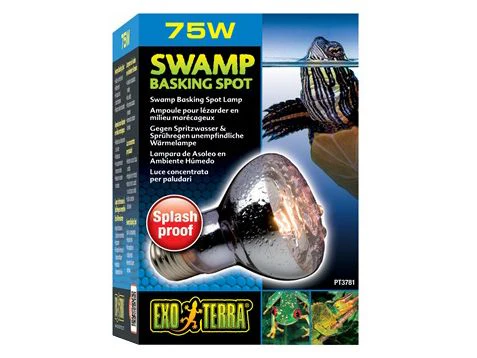
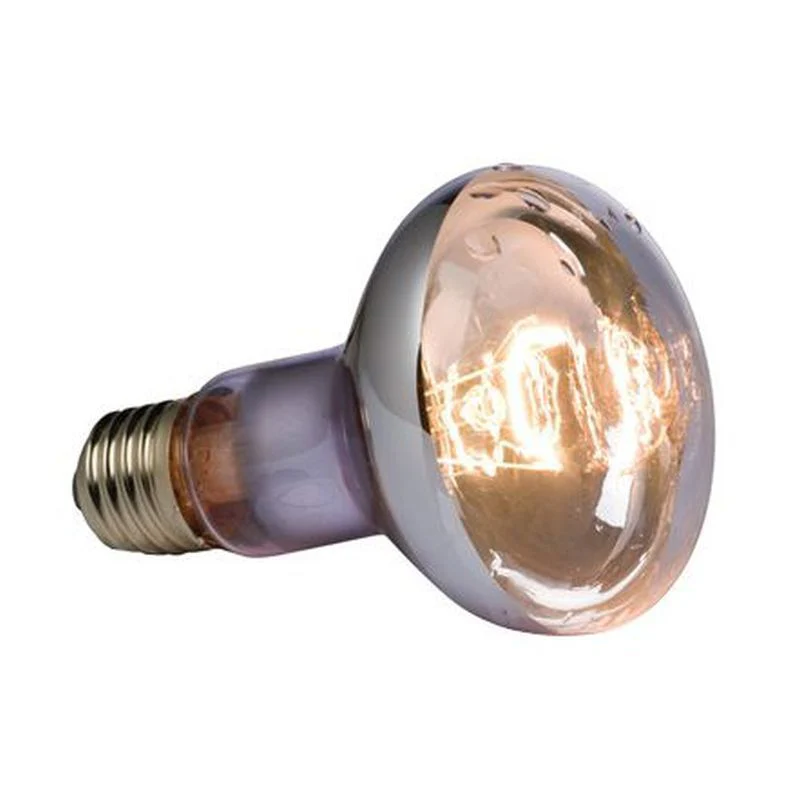
Optional basking spot: 30°C
-
-
Lighting: Indirect or low light; UVB optional but beneficial
-
Ventilation: Moderate airflow
Compatibility
-
Best housed singly; generally non-aggressive but may fight if confined.
-
Avoid housing with snakes or other predatory reptiles.
Diet
-
Carnivorous; feeds on live or frozen-thawed insects:
-
Crickets
-
Mealworms / superworms
-
Small roaches
-
-
Feed juveniles every 2–3 days; adults 2–3× per week
-
Provide shallow water dish for drinking
Care Tips
-
Provide burrowable substrate to allow natural digging behaviors.
-
Maintain consistent temperature and humidity for digestion and shedding.
-
Spot-clean regularly; remove feces and uneaten prey.
-
Minimize handling during feeding or shedding periods.
Breeding
-
Oviparous; females lay 5–15 eggs depending on species.
-
Eggs incubate for 45–60 days at 26–28°C.
-
Hatchlings are independent and require appropriately sized prey.
Visual Quick Guide
-
🏠 Enclosure: ≥80 L, burrowable substrate, hides
-
🌡️ Temp: Day 24–28°C / Night 20–24°C / Basking 30°C optional
-
💧 Humidity: 50–60%
-
🍴 Diet: Carnivorous (live insects)
-
🕒 Activity: Diurnal, ground-dwelling
-
⚠️ Stress: Avoid excessive handling; provide burrows and hides
Please note: We don't ship live animals. You can order online and choose click and collect, and we will hold it for you.
More Images


Legless Lizard
Legless Lizard (Ophisaurus sp.) Care Sheet
Quick Facts
| Attribute | Details |
|---|---|
| Common Name | Legless Lizard |
| Scientific Name | Ophisaurus sp. |
| Origin | North America / Southeast Asia depending on species |
| Adult Size | 40–60 cm |
| Lifespan | 10–15 years in captivity |
| Activity | Diurnal, ground-dwelling / fossorial |
Behavior
-
Resembles a snake but is a true lizard; possesses eyelids and external ear openings.
-
Mild-tempered and generally docile.
-
Diurnal and active during the day; burrows or hides under substrate.
-
Can drop tail when stressed (autotomy); tail may regenerate partially.
Enclosure Requirements
-
Tank Size: Minimum 80 liters for a single adult
-
Substrate: 10–15 cm of coconut fiber, soil, or sand mix for burrowing
-
Decor: Logs, rocks, and hides; allows digging and shelter
-
Humidity: 50–60%
-
Temperature:
-
Day: 24–28°C
-
Night: 20–24°C
-
Optional basking spot: 30°C
-
-
Lighting: Indirect or low light; UVB optional but beneficial
-
Ventilation: Moderate airflow
Compatibility
-
Best housed singly; generally non-aggressive but may fight if confined.
-
Avoid housing with snakes or other predatory reptiles.
Diet
-
Carnivorous; feeds on live or frozen-thawed insects:
-
Crickets
-
Mealworms / superworms
-
Small roaches
-
-
Feed juveniles every 2–3 days; adults 2–3× per week
-
Provide shallow water dish for drinking
Care Tips
-
Provide burrowable substrate to allow natural digging behaviors.
-
Maintain consistent temperature and humidity for digestion and shedding.
-
Spot-clean regularly; remove feces and uneaten prey.
-
Minimize handling during feeding or shedding periods.
Breeding
-
Oviparous; females lay 5–15 eggs depending on species.
-
Eggs incubate for 45–60 days at 26–28°C.
-
Hatchlings are independent and require appropriately sized prey.
Visual Quick Guide
-
🏠 Enclosure: ≥80 L, burrowable substrate, hides
-
🌡️ Temp: Day 24–28°C / Night 20–24°C / Basking 30°C optional
-
💧 Humidity: 50–60%
-
🍴 Diet: Carnivorous (live insects)
-
🕒 Activity: Diurnal, ground-dwelling
-
⚠️ Stress: Avoid excessive handling; provide burrows and hides
Please note: We don't ship live animals. You can order online and choose click and collect, and we will hold it for you.
Product Information
Product Information
Shipping & Returns
Shipping & Returns
Description
Legless Lizard (Ophisaurus sp.) Care Sheet
Quick Facts
| Attribute | Details |
|---|---|
| Common Name | Legless Lizard |
| Scientific Name | Ophisaurus sp. |
| Origin | North America / Southeast Asia depending on species |
| Adult Size | 40–60 cm |
| Lifespan | 10–15 years in captivity |
| Activity | Diurnal, ground-dwelling / fossorial |
Behavior
-
Resembles a snake but is a true lizard; possesses eyelids and external ear openings.
-
Mild-tempered and generally docile.
-
Diurnal and active during the day; burrows or hides under substrate.
-
Can drop tail when stressed (autotomy); tail may regenerate partially.
Enclosure Requirements
-
Tank Size: Minimum 80 liters for a single adult
-
Substrate: 10–15 cm of coconut fiber, soil, or sand mix for burrowing
-
Decor: Logs, rocks, and hides; allows digging and shelter
-
Humidity: 50–60%
-
Temperature:
-
Day: 24–28°C
-
Night: 20–24°C
-
Optional basking spot: 30°C
-
-
Lighting: Indirect or low light; UVB optional but beneficial
-
Ventilation: Moderate airflow
Compatibility
-
Best housed singly; generally non-aggressive but may fight if confined.
-
Avoid housing with snakes or other predatory reptiles.
Diet
-
Carnivorous; feeds on live or frozen-thawed insects:
-
Crickets
-
Mealworms / superworms
-
Small roaches
-
-
Feed juveniles every 2–3 days; adults 2–3× per week
-
Provide shallow water dish for drinking
Care Tips
-
Provide burrowable substrate to allow natural digging behaviors.
-
Maintain consistent temperature and humidity for digestion and shedding.
-
Spot-clean regularly; remove feces and uneaten prey.
-
Minimize handling during feeding or shedding periods.
Breeding
-
Oviparous; females lay 5–15 eggs depending on species.
-
Eggs incubate for 45–60 days at 26–28°C.
-
Hatchlings are independent and require appropriately sized prey.
Visual Quick Guide
-
🏠 Enclosure: ≥80 L, burrowable substrate, hides
-
🌡️ Temp: Day 24–28°C / Night 20–24°C / Basking 30°C optional
-
💧 Humidity: 50–60%
-
🍴 Diet: Carnivorous (live insects)
-
🕒 Activity: Diurnal, ground-dwelling
-
⚠️ Stress: Avoid excessive handling; provide burrows and hides
Please note: We don't ship live animals. You can order online and choose click and collect, and we will hold it for you.