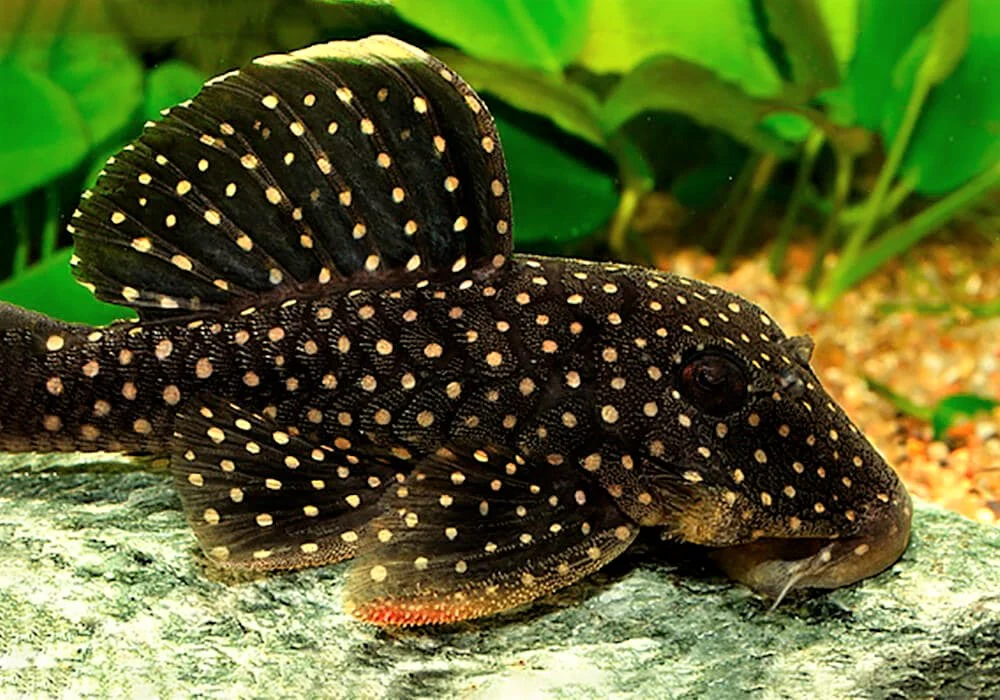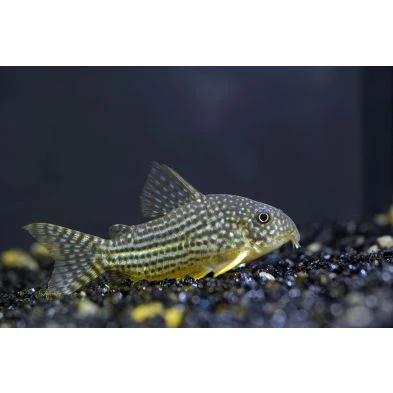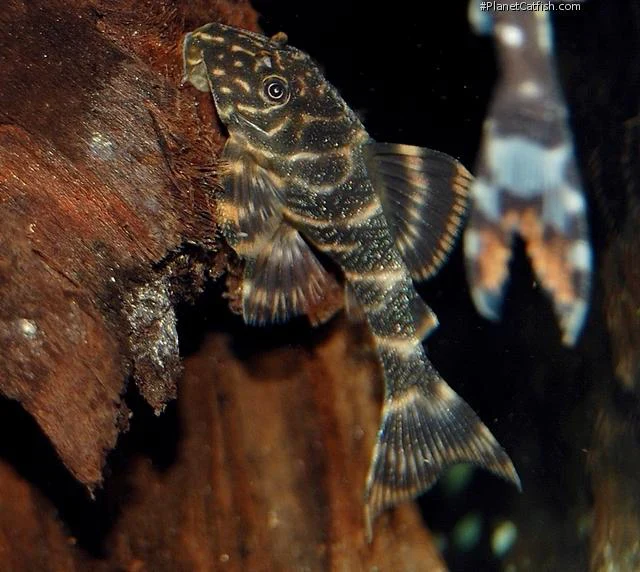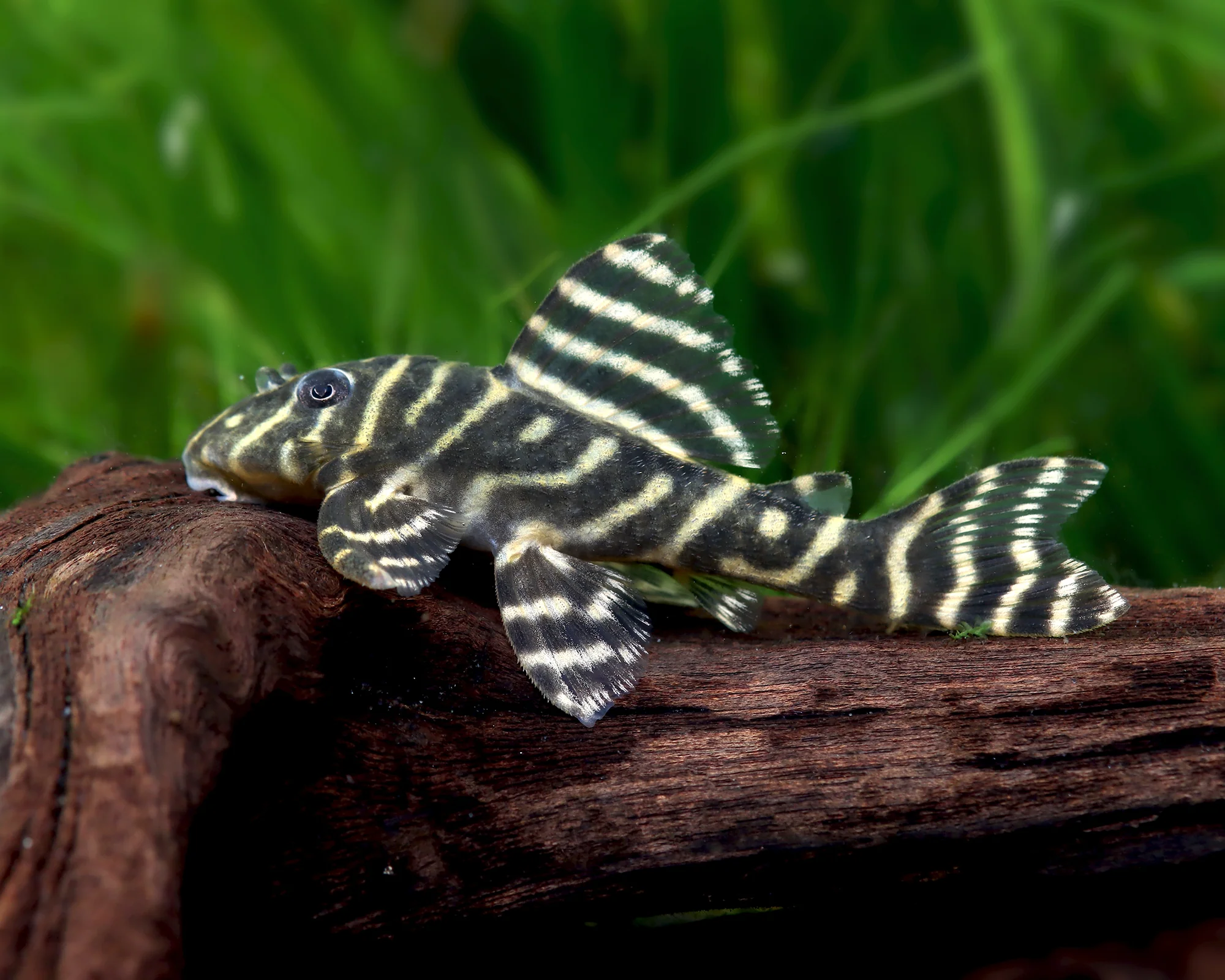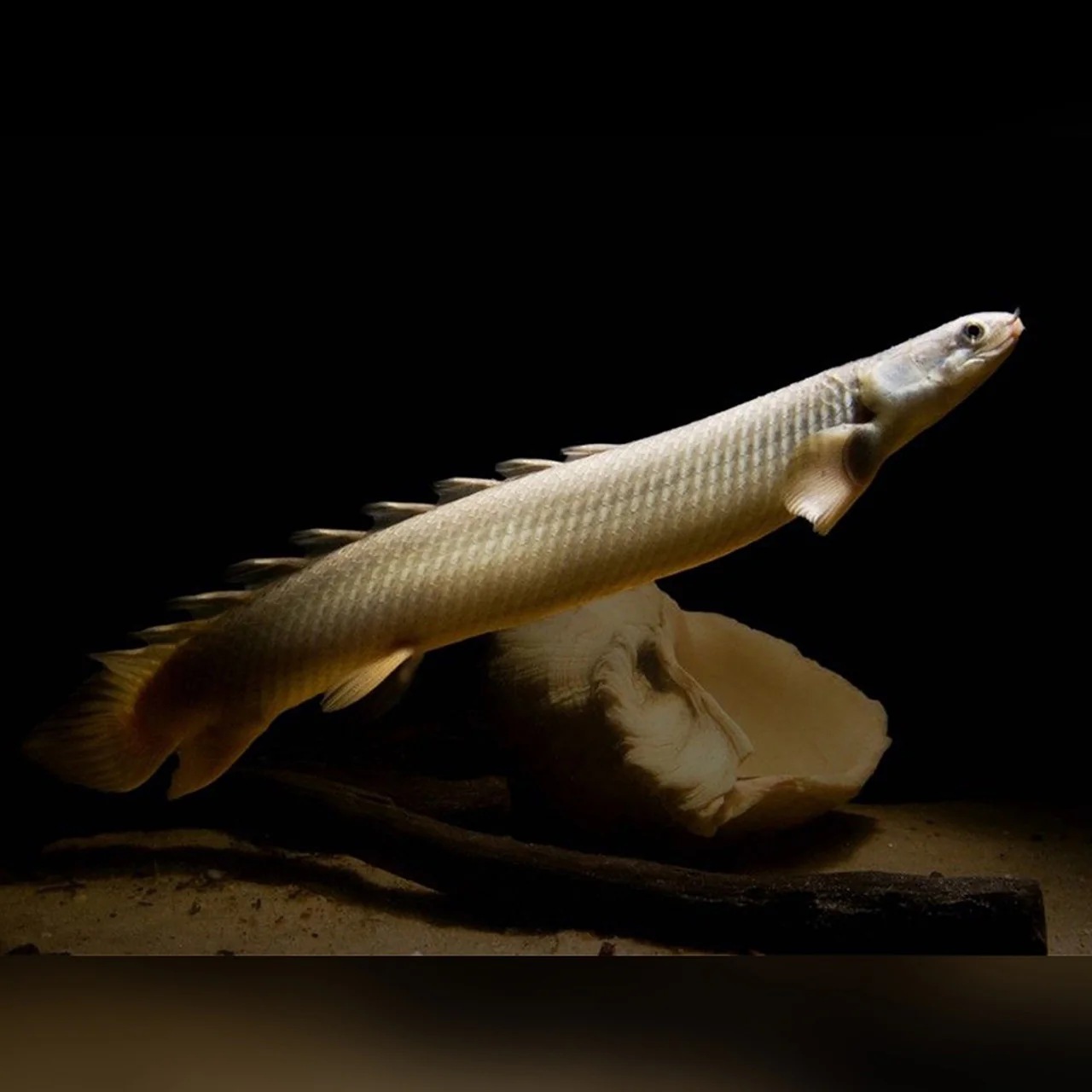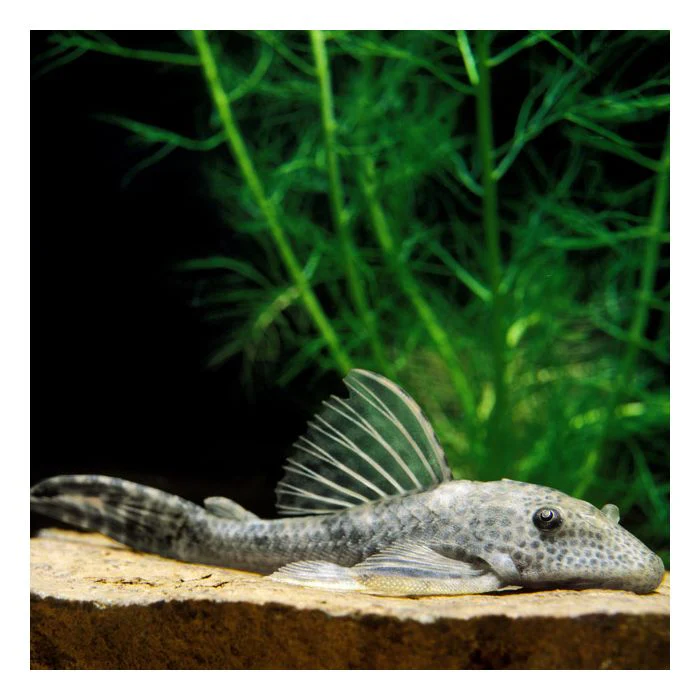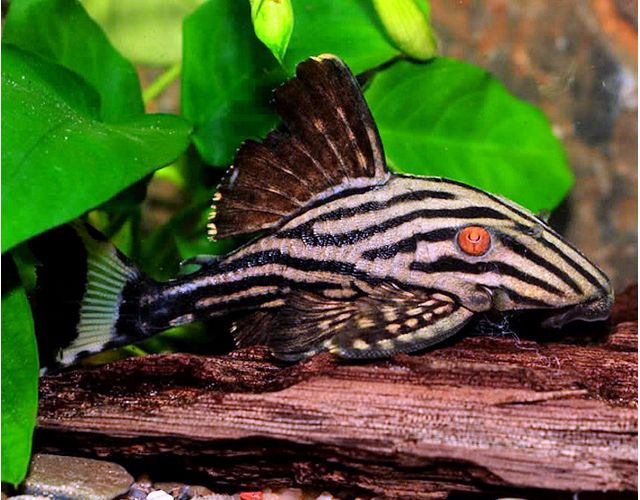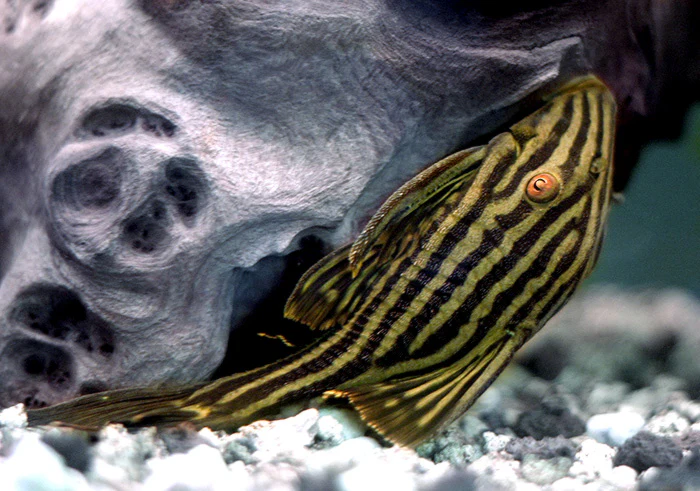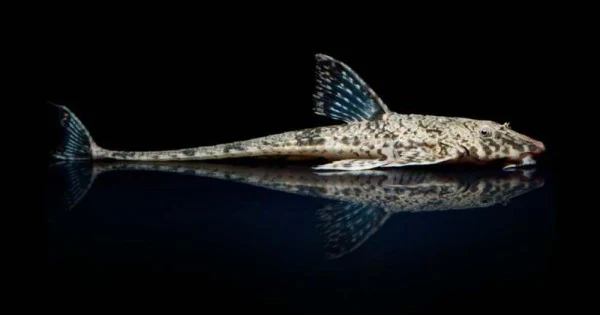
Whip Tail Catfish
🐟 Whiptail Catfish Care Sheet
🔹 Overview
| Category | Details |
|---|---|
| Scientific Name | Rineloricaria spp. |
| Common Name | Whiptail Catfish |
| Origin | South America (Amazon Basin, Paraguay, Orinoco) |
| Adult Size | 12–20 cm (5–8 in), depending on species |
| Lifespan | 5–8 years |
| Temperament | Peaceful, bottom-dwelling |
| Tank Level | Bottom |
🔹 Tank Setup
| Parameter | Ideal Range |
|---|---|
| Tank Size | 80+ liters (20+ gallons) for one or two; larger for groups |
| Temperature | 22–28 °C (72–82 °F) |
| pH | 6.0–7.5 |
| Hardness | Soft to moderately hard (2–15 dGH) |
| Substrate | Sand or smooth fine gravel |
| Decor | Driftwood, rocks, caves, leaf litter |
| Lighting | Low to moderate |
| Filtration | Gentle flow; sponge or canister filter |
Tips:
-
Provide plenty of hiding spots with driftwood, caves, and plants.
-
Keep groups of at least 3–5 to encourage natural behavior.
-
Soft substrate prevents damage to their delicate barbels.
🔹 Diet
-
Type: Omnivorous / bottom feeder
-
Best Foods: Sinking pellets, algae wafers, blanched vegetables (zucchini, spinach), occasional live/frozen foods (bloodworms, daphnia).
-
Feeding Frequency: Once or twice daily; ensure food reaches the bottom.
🔹 Behavior & Compatibility
-
Peaceful and shy; primarily nocturnal.
-
Coexists well with peaceful mid- to top-dwelling species.
-
Best in community tanks with soft-bottom substrate and gentle water flow.
🧭 Tank Mate Guide
✅ Compatible Species
-
Corydoras and other peaceful catfish
-
Small to medium peaceful tetras, rasboras
-
Dwarf rainbowfish
-
Peaceful loaches (e.g., Kuhli loaches)
⚠️ Avoid or Use Caution With
-
Aggressive fish that harass bottom dwellers
-
Large predatory species
-
Fish that stir substrate excessively
🐣 Breeding Info
-
Spawning Method: Egg layers; males guard eggs on cave surfaces or flat stones.
-
Parental Care: Males care for eggs until hatching.
-
Fry Care: Feed infusoria or finely crushed flake foods; transition to baby brine shrimp as they grow.
🌿 Fun Facts
-
Named for its slender, whip-like tail.
-
Excellent algae eaters and cleanup crew for the bottom of the tank.
-
Adapted to slow-moving rivers with soft substrates and plenty of cover.
More Images

Whip Tail Catfish
🐟 Whiptail Catfish Care Sheet
🔹 Overview
| Category | Details |
|---|---|
| Scientific Name | Rineloricaria spp. |
| Common Name | Whiptail Catfish |
| Origin | South America (Amazon Basin, Paraguay, Orinoco) |
| Adult Size | 12–20 cm (5–8 in), depending on species |
| Lifespan | 5–8 years |
| Temperament | Peaceful, bottom-dwelling |
| Tank Level | Bottom |
🔹 Tank Setup
| Parameter | Ideal Range |
|---|---|
| Tank Size | 80+ liters (20+ gallons) for one or two; larger for groups |
| Temperature | 22–28 °C (72–82 °F) |
| pH | 6.0–7.5 |
| Hardness | Soft to moderately hard (2–15 dGH) |
| Substrate | Sand or smooth fine gravel |
| Decor | Driftwood, rocks, caves, leaf litter |
| Lighting | Low to moderate |
| Filtration | Gentle flow; sponge or canister filter |
Tips:
-
Provide plenty of hiding spots with driftwood, caves, and plants.
-
Keep groups of at least 3–5 to encourage natural behavior.
-
Soft substrate prevents damage to their delicate barbels.
🔹 Diet
-
Type: Omnivorous / bottom feeder
-
Best Foods: Sinking pellets, algae wafers, blanched vegetables (zucchini, spinach), occasional live/frozen foods (bloodworms, daphnia).
-
Feeding Frequency: Once or twice daily; ensure food reaches the bottom.
🔹 Behavior & Compatibility
-
Peaceful and shy; primarily nocturnal.
-
Coexists well with peaceful mid- to top-dwelling species.
-
Best in community tanks with soft-bottom substrate and gentle water flow.
🧭 Tank Mate Guide
✅ Compatible Species
-
Corydoras and other peaceful catfish
-
Small to medium peaceful tetras, rasboras
-
Dwarf rainbowfish
-
Peaceful loaches (e.g., Kuhli loaches)
⚠️ Avoid or Use Caution With
-
Aggressive fish that harass bottom dwellers
-
Large predatory species
-
Fish that stir substrate excessively
🐣 Breeding Info
-
Spawning Method: Egg layers; males guard eggs on cave surfaces or flat stones.
-
Parental Care: Males care for eggs until hatching.
-
Fry Care: Feed infusoria or finely crushed flake foods; transition to baby brine shrimp as they grow.
🌿 Fun Facts
-
Named for its slender, whip-like tail.
-
Excellent algae eaters and cleanup crew for the bottom of the tank.
-
Adapted to slow-moving rivers with soft substrates and plenty of cover.
Product Information
Product Information
Shipping & Returns
Shipping & Returns
Description
🐟 Whiptail Catfish Care Sheet
🔹 Overview
| Category | Details |
|---|---|
| Scientific Name | Rineloricaria spp. |
| Common Name | Whiptail Catfish |
| Origin | South America (Amazon Basin, Paraguay, Orinoco) |
| Adult Size | 12–20 cm (5–8 in), depending on species |
| Lifespan | 5–8 years |
| Temperament | Peaceful, bottom-dwelling |
| Tank Level | Bottom |
🔹 Tank Setup
| Parameter | Ideal Range |
|---|---|
| Tank Size | 80+ liters (20+ gallons) for one or two; larger for groups |
| Temperature | 22–28 °C (72–82 °F) |
| pH | 6.0–7.5 |
| Hardness | Soft to moderately hard (2–15 dGH) |
| Substrate | Sand or smooth fine gravel |
| Decor | Driftwood, rocks, caves, leaf litter |
| Lighting | Low to moderate |
| Filtration | Gentle flow; sponge or canister filter |
Tips:
-
Provide plenty of hiding spots with driftwood, caves, and plants.
-
Keep groups of at least 3–5 to encourage natural behavior.
-
Soft substrate prevents damage to their delicate barbels.
🔹 Diet
-
Type: Omnivorous / bottom feeder
-
Best Foods: Sinking pellets, algae wafers, blanched vegetables (zucchini, spinach), occasional live/frozen foods (bloodworms, daphnia).
-
Feeding Frequency: Once or twice daily; ensure food reaches the bottom.
🔹 Behavior & Compatibility
-
Peaceful and shy; primarily nocturnal.
-
Coexists well with peaceful mid- to top-dwelling species.
-
Best in community tanks with soft-bottom substrate and gentle water flow.
🧭 Tank Mate Guide
✅ Compatible Species
-
Corydoras and other peaceful catfish
-
Small to medium peaceful tetras, rasboras
-
Dwarf rainbowfish
-
Peaceful loaches (e.g., Kuhli loaches)
⚠️ Avoid or Use Caution With
-
Aggressive fish that harass bottom dwellers
-
Large predatory species
-
Fish that stir substrate excessively
🐣 Breeding Info
-
Spawning Method: Egg layers; males guard eggs on cave surfaces or flat stones.
-
Parental Care: Males care for eggs until hatching.
-
Fry Care: Feed infusoria or finely crushed flake foods; transition to baby brine shrimp as they grow.
🌿 Fun Facts
-
Named for its slender, whip-like tail.
-
Excellent algae eaters and cleanup crew for the bottom of the tank.
-
Adapted to slow-moving rivers with soft substrates and plenty of cover.