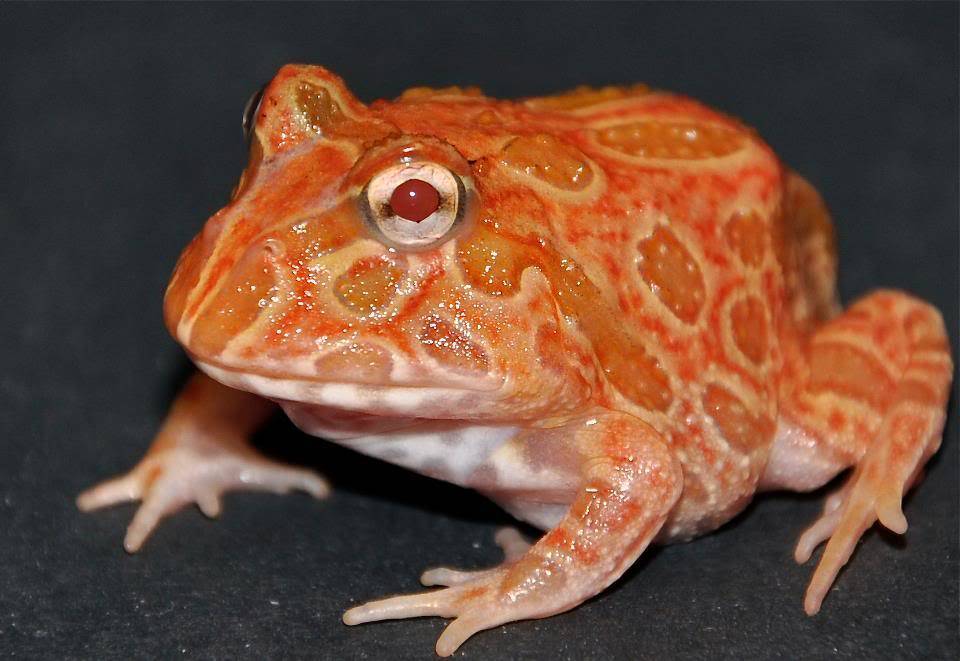
Albino Pacman Frog
Albino Pacman Frog Care Guide
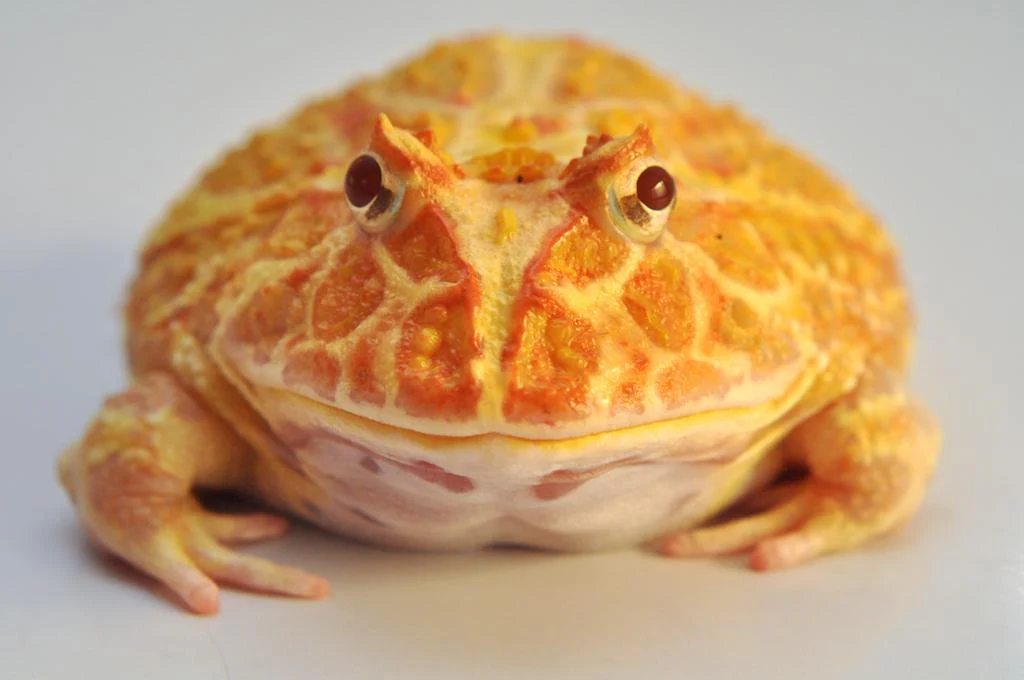
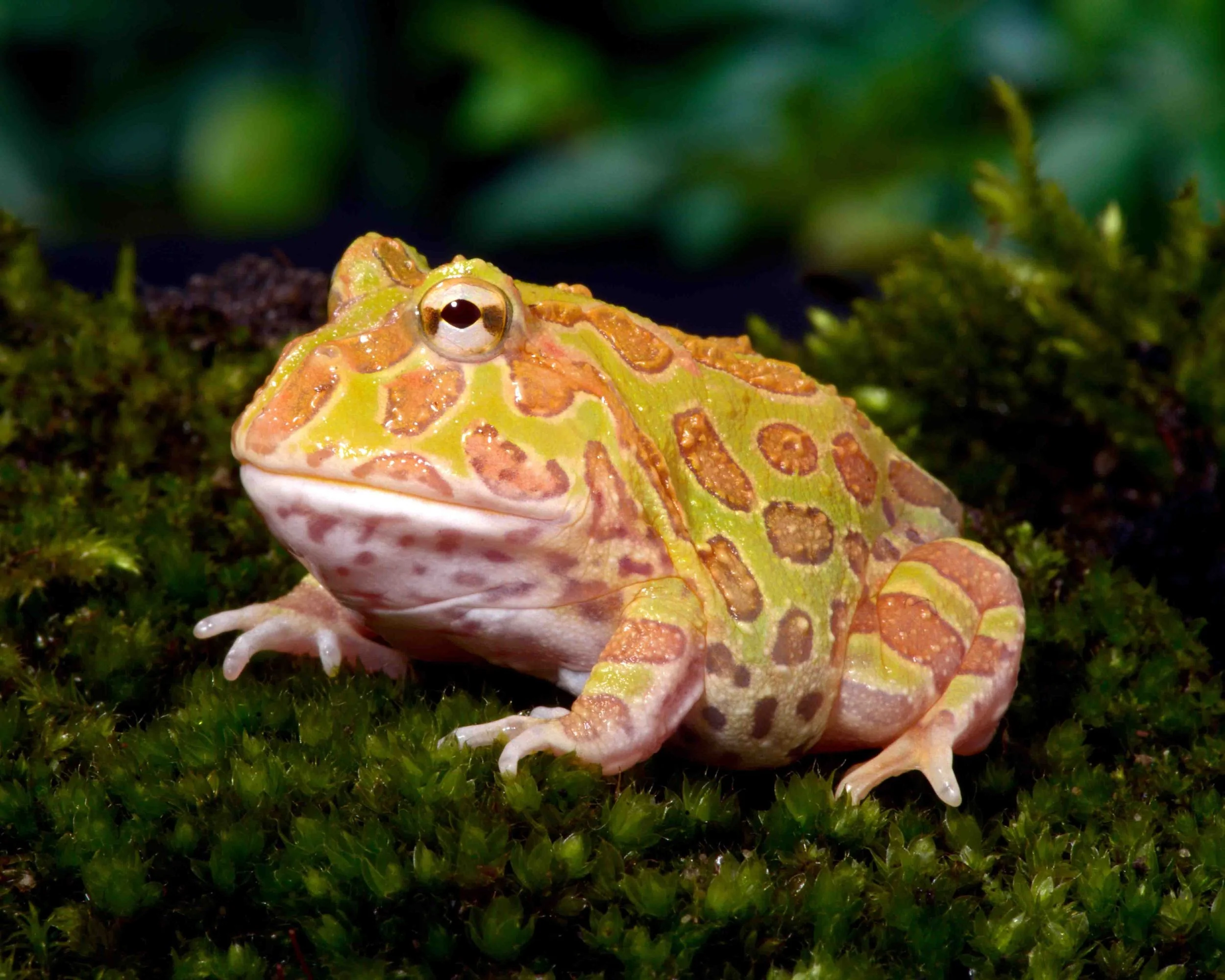
Albino Pacman frogs are a colorful morph of the Pacman frog species known for their round bodies, huge mouths, and bright yellow or cream coloration with red or pink eyes. Native to South America, these frogs are ambush predators that spend much of their time buried in substrate waiting for prey to pass by. They are popular pets due to their unique appearance and relatively simple care requirements.
Despite their cute look, Pacman frogs are not very active and are not ideal for frequent handling. They prefer a stable environment where they can burrow, stay humid, and wait for food. With proper housing, humidity, and diet, Albino Pacman frogs can live for many years and make fascinating display pets for amphibian enthusiasts.
-
Latin Name: Ceratophrys cranwelli
-
Ease of Care: Beginner to Intermediate
-
Behaviour: Nocturnal / Crepuscular
-
Breeding: Mostly Captive Bred
-
Diet: Carnivore
-
Environment: Tropical / Subtropical
-
Origin: South America (Argentina, Paraguay, Bolivia, Brazil)
-
Adult Size: 4–7 inches long (females larger than males)
-
Life Expectancy: 10–15 years in captivity
Albino Pacman Frog Behavior and Temperament
Pacman frogs are sedentary ambush predators that spend most of their time partially buried in substrate with only their eyes and mouth visible. They wait for insects, worms, or small animals to wander past before quickly snapping them up.
These frogs are solitary animals and should always be housed alone. If two Pacman frogs are placed together, the larger one will often attempt to eat the other.
Handling should be kept to a minimum. Their skin is very delicate and absorbs oils and chemicals from human hands. Additionally, Pacman frogs can bite if they mistake fingers for food. While their bite is not dangerous, it can be surprising and uncomfortable.
Overall, they are calm, low-activity pets that are best appreciated by observing rather than interacting.
Housing the Albino Pacman Frog
Pacman frogs do not require large enclosures due to their low activity level, but they do need adequate space and proper humidity.
A 10–20 gallon tank works well for a single adult frog. The enclosure should have good ventilation but still retain moisture.
Provide several inches of substrate so the frog can burrow. The enclosure should also include:
-
A shallow water dish with dechlorinated water
-
Hiding areas such as cork bark or plants
-
Plenty of moist substrate for digging
Spot clean daily and perform a deeper clean when the substrate becomes soiled.
Heat
Albino Pacman frogs thrive in warm environments.
Ideal temperatures:
-
Day: 75–82°F (24–28°C)
-
Night: 70–75°F (21–24°C)
Heat can be provided using:
-
Under-tank heat mats
-
Low-wattage ceramic heaters or reptile heat lamps
Avoid overheating, as Pacman frogs are sensitive to extreme temperatures.
Light
Pacman frogs do not require intense lighting. A normal 12-hour light / 12-hour dark cycle is sufficient.
UVB lighting is not strictly necessary, but low-level UVB can be beneficial for overall health and calcium metabolism.
Keep the enclosure out of direct sunlight to prevent overheating.
Humidity
High humidity is essential for amphibians due to their permeable skin.
Albino Pacman frogs require 60–80% humidity. This can be maintained by:
-
Regular misting with dechlorinated water
-
Moisture-retaining substrate
-
A partially covered enclosure top
A hygrometer is recommended to monitor humidity levels.
Substrate
Substrate helps maintain humidity and allows Pacman frogs to burrow, which is a natural behavior.
Good substrate options include:
-
Coconut fiber (coco coir)
-
Organic topsoil (chemical-free)
-
Peat moss
The substrate should be kept moist but not waterlogged. Replace it regularly to prevent bacteria buildup.
Avoid gravel, sand, or substrates that could cause impaction if accidentally swallowed.
What Do Pacman Frogs Eat?
Albino Pacman frogs are opportunistic carnivores with strong appetites.
A healthy diet may include:
-
Gut-loaded crickets
-
Dubia roaches
-
Mealworms and superworms
-
Earthworms / nightcrawlers
-
Occasional pinkie mice for large adults
Young frogs should be fed every day or every other day, while adults typically eat 2–3 times per week.
Dust feeder insects with calcium and vitamin supplements regularly to prevent nutritional deficiencies.
Always remove uneaten food to keep the enclosure clean.
Common Health and Behavior Problems
With proper care, Albino Pacman frogs are generally hardy. However, poor environmental conditions can lead to health issues.
Common problems include:
Skin infections
Amphibians are susceptible to bacterial or fungal infections if humidity or cleanliness is inadequate.
Impaction
Swallowing substrate or indigestible food items can cause digestive blockages.
Obesity
Pacman frogs will eat whenever food is available, so overfeeding is common.
Ammonia poisoning
Waste buildup in the enclosure can produce toxic ammonia, leading to lethargy, skin irritation, and cloudy eyes.
Regular cleaning, proper humidity, and a balanced diet will help prevent most health issues. If your frog stops eating, appears lethargic, or shows unusual symptoms, consult an experienced exotic animal veterinarian.
Please note:
We do not ship live animals. You can order online and choose click and collect, and we will hold the animal for you until pickup.
Original: $60.38
-65%$60.38
$21.13More Images
Albino Pacman Frog
Albino Pacman Frog Care Guide
Albino Pacman frogs are a colorful morph of the Pacman frog species known for their round bodies, huge mouths, and bright yellow or cream coloration with red or pink eyes. Native to South America, these frogs are ambush predators that spend much of their time buried in substrate waiting for prey to pass by. They are popular pets due to their unique appearance and relatively simple care requirements.
Despite their cute look, Pacman frogs are not very active and are not ideal for frequent handling. They prefer a stable environment where they can burrow, stay humid, and wait for food. With proper housing, humidity, and diet, Albino Pacman frogs can live for many years and make fascinating display pets for amphibian enthusiasts.
-
Latin Name: Ceratophrys cranwelli
-
Ease of Care: Beginner to Intermediate
-
Behaviour: Nocturnal / Crepuscular
-
Breeding: Mostly Captive Bred
-
Diet: Carnivore
-
Environment: Tropical / Subtropical
-
Origin: South America (Argentina, Paraguay, Bolivia, Brazil)
-
Adult Size: 4–7 inches long (females larger than males)
-
Life Expectancy: 10–15 years in captivity
Albino Pacman Frog Behavior and Temperament
Pacman frogs are sedentary ambush predators that spend most of their time partially buried in substrate with only their eyes and mouth visible. They wait for insects, worms, or small animals to wander past before quickly snapping them up.
These frogs are solitary animals and should always be housed alone. If two Pacman frogs are placed together, the larger one will often attempt to eat the other.
Handling should be kept to a minimum. Their skin is very delicate and absorbs oils and chemicals from human hands. Additionally, Pacman frogs can bite if they mistake fingers for food. While their bite is not dangerous, it can be surprising and uncomfortable.
Overall, they are calm, low-activity pets that are best appreciated by observing rather than interacting.
Housing the Albino Pacman Frog
Pacman frogs do not require large enclosures due to their low activity level, but they do need adequate space and proper humidity.
A 10–20 gallon tank works well for a single adult frog. The enclosure should have good ventilation but still retain moisture.
Provide several inches of substrate so the frog can burrow. The enclosure should also include:
-
A shallow water dish with dechlorinated water
-
Hiding areas such as cork bark or plants
-
Plenty of moist substrate for digging
Spot clean daily and perform a deeper clean when the substrate becomes soiled.
Heat
Albino Pacman frogs thrive in warm environments.
Ideal temperatures:
-
Day: 75–82°F (24–28°C)
-
Night: 70–75°F (21–24°C)
Heat can be provided using:
-
Under-tank heat mats
-
Low-wattage ceramic heaters or reptile heat lamps
Avoid overheating, as Pacman frogs are sensitive to extreme temperatures.
Light
Pacman frogs do not require intense lighting. A normal 12-hour light / 12-hour dark cycle is sufficient.
UVB lighting is not strictly necessary, but low-level UVB can be beneficial for overall health and calcium metabolism.
Keep the enclosure out of direct sunlight to prevent overheating.
Humidity
High humidity is essential for amphibians due to their permeable skin.
Albino Pacman frogs require 60–80% humidity. This can be maintained by:
-
Regular misting with dechlorinated water
-
Moisture-retaining substrate
-
A partially covered enclosure top
A hygrometer is recommended to monitor humidity levels.
Substrate
Substrate helps maintain humidity and allows Pacman frogs to burrow, which is a natural behavior.
Good substrate options include:
-
Coconut fiber (coco coir)
-
Organic topsoil (chemical-free)
-
Peat moss
The substrate should be kept moist but not waterlogged. Replace it regularly to prevent bacteria buildup.
Avoid gravel, sand, or substrates that could cause impaction if accidentally swallowed.
What Do Pacman Frogs Eat?
Albino Pacman frogs are opportunistic carnivores with strong appetites.
A healthy diet may include:
-
Gut-loaded crickets
-
Dubia roaches
-
Mealworms and superworms
-
Earthworms / nightcrawlers
-
Occasional pinkie mice for large adults
Young frogs should be fed every day or every other day, while adults typically eat 2–3 times per week.
Dust feeder insects with calcium and vitamin supplements regularly to prevent nutritional deficiencies.
Always remove uneaten food to keep the enclosure clean.
Common Health and Behavior Problems
With proper care, Albino Pacman frogs are generally hardy. However, poor environmental conditions can lead to health issues.
Common problems include:
Skin infections
Amphibians are susceptible to bacterial or fungal infections if humidity or cleanliness is inadequate.
Impaction
Swallowing substrate or indigestible food items can cause digestive blockages.
Obesity
Pacman frogs will eat whenever food is available, so overfeeding is common.
Ammonia poisoning
Waste buildup in the enclosure can produce toxic ammonia, leading to lethargy, skin irritation, and cloudy eyes.
Regular cleaning, proper humidity, and a balanced diet will help prevent most health issues. If your frog stops eating, appears lethargic, or shows unusual symptoms, consult an experienced exotic animal veterinarian.
Please note:
We do not ship live animals. You can order online and choose click and collect, and we will hold the animal for you until pickup.
Product Information
Product Information
Shipping & Returns
Shipping & Returns
Description
Albino Pacman Frog Care Guide
Albino Pacman frogs are a colorful morph of the Pacman frog species known for their round bodies, huge mouths, and bright yellow or cream coloration with red or pink eyes. Native to South America, these frogs are ambush predators that spend much of their time buried in substrate waiting for prey to pass by. They are popular pets due to their unique appearance and relatively simple care requirements.
Despite their cute look, Pacman frogs are not very active and are not ideal for frequent handling. They prefer a stable environment where they can burrow, stay humid, and wait for food. With proper housing, humidity, and diet, Albino Pacman frogs can live for many years and make fascinating display pets for amphibian enthusiasts.
-
Latin Name: Ceratophrys cranwelli
-
Ease of Care: Beginner to Intermediate
-
Behaviour: Nocturnal / Crepuscular
-
Breeding: Mostly Captive Bred
-
Diet: Carnivore
-
Environment: Tropical / Subtropical
-
Origin: South America (Argentina, Paraguay, Bolivia, Brazil)
-
Adult Size: 4–7 inches long (females larger than males)
-
Life Expectancy: 10–15 years in captivity
Albino Pacman Frog Behavior and Temperament
Pacman frogs are sedentary ambush predators that spend most of their time partially buried in substrate with only their eyes and mouth visible. They wait for insects, worms, or small animals to wander past before quickly snapping them up.
These frogs are solitary animals and should always be housed alone. If two Pacman frogs are placed together, the larger one will often attempt to eat the other.
Handling should be kept to a minimum. Their skin is very delicate and absorbs oils and chemicals from human hands. Additionally, Pacman frogs can bite if they mistake fingers for food. While their bite is not dangerous, it can be surprising and uncomfortable.
Overall, they are calm, low-activity pets that are best appreciated by observing rather than interacting.
Housing the Albino Pacman Frog
Pacman frogs do not require large enclosures due to their low activity level, but they do need adequate space and proper humidity.
A 10–20 gallon tank works well for a single adult frog. The enclosure should have good ventilation but still retain moisture.
Provide several inches of substrate so the frog can burrow. The enclosure should also include:
-
A shallow water dish with dechlorinated water
-
Hiding areas such as cork bark or plants
-
Plenty of moist substrate for digging
Spot clean daily and perform a deeper clean when the substrate becomes soiled.
Heat
Albino Pacman frogs thrive in warm environments.
Ideal temperatures:
-
Day: 75–82°F (24–28°C)
-
Night: 70–75°F (21–24°C)
Heat can be provided using:
-
Under-tank heat mats
-
Low-wattage ceramic heaters or reptile heat lamps
Avoid overheating, as Pacman frogs are sensitive to extreme temperatures.
Light
Pacman frogs do not require intense lighting. A normal 12-hour light / 12-hour dark cycle is sufficient.
UVB lighting is not strictly necessary, but low-level UVB can be beneficial for overall health and calcium metabolism.
Keep the enclosure out of direct sunlight to prevent overheating.
Humidity
High humidity is essential for amphibians due to their permeable skin.
Albino Pacman frogs require 60–80% humidity. This can be maintained by:
-
Regular misting with dechlorinated water
-
Moisture-retaining substrate
-
A partially covered enclosure top
A hygrometer is recommended to monitor humidity levels.
Substrate
Substrate helps maintain humidity and allows Pacman frogs to burrow, which is a natural behavior.
Good substrate options include:
-
Coconut fiber (coco coir)
-
Organic topsoil (chemical-free)
-
Peat moss
The substrate should be kept moist but not waterlogged. Replace it regularly to prevent bacteria buildup.
Avoid gravel, sand, or substrates that could cause impaction if accidentally swallowed.
What Do Pacman Frogs Eat?
Albino Pacman frogs are opportunistic carnivores with strong appetites.
A healthy diet may include:
-
Gut-loaded crickets
-
Dubia roaches
-
Mealworms and superworms
-
Earthworms / nightcrawlers
-
Occasional pinkie mice for large adults
Young frogs should be fed every day or every other day, while adults typically eat 2–3 times per week.
Dust feeder insects with calcium and vitamin supplements regularly to prevent nutritional deficiencies.
Always remove uneaten food to keep the enclosure clean.
Common Health and Behavior Problems
With proper care, Albino Pacman frogs are generally hardy. However, poor environmental conditions can lead to health issues.
Common problems include:
Skin infections
Amphibians are susceptible to bacterial or fungal infections if humidity or cleanliness is inadequate.
Impaction
Swallowing substrate or indigestible food items can cause digestive blockages.
Obesity
Pacman frogs will eat whenever food is available, so overfeeding is common.
Ammonia poisoning
Waste buildup in the enclosure can produce toxic ammonia, leading to lethargy, skin irritation, and cloudy eyes.
Regular cleaning, proper humidity, and a balanced diet will help prevent most health issues. If your frog stops eating, appears lethargic, or shows unusual symptoms, consult an experienced exotic animal veterinarian.
Please note:
We do not ship live animals. You can order online and choose click and collect, and we will hold the animal for you until pickup.