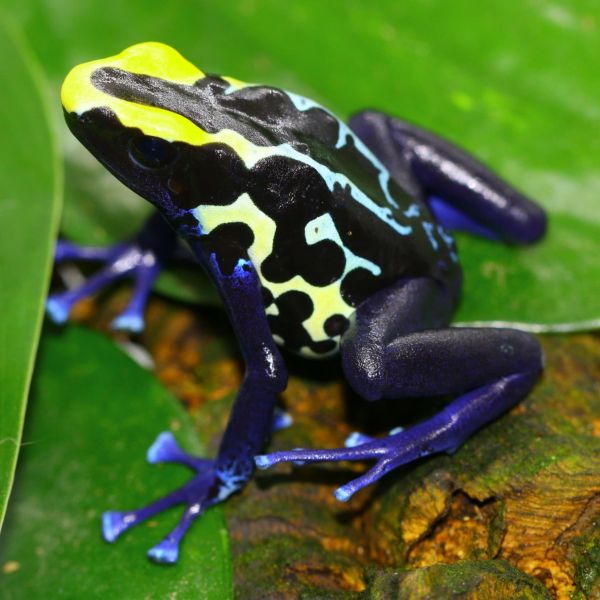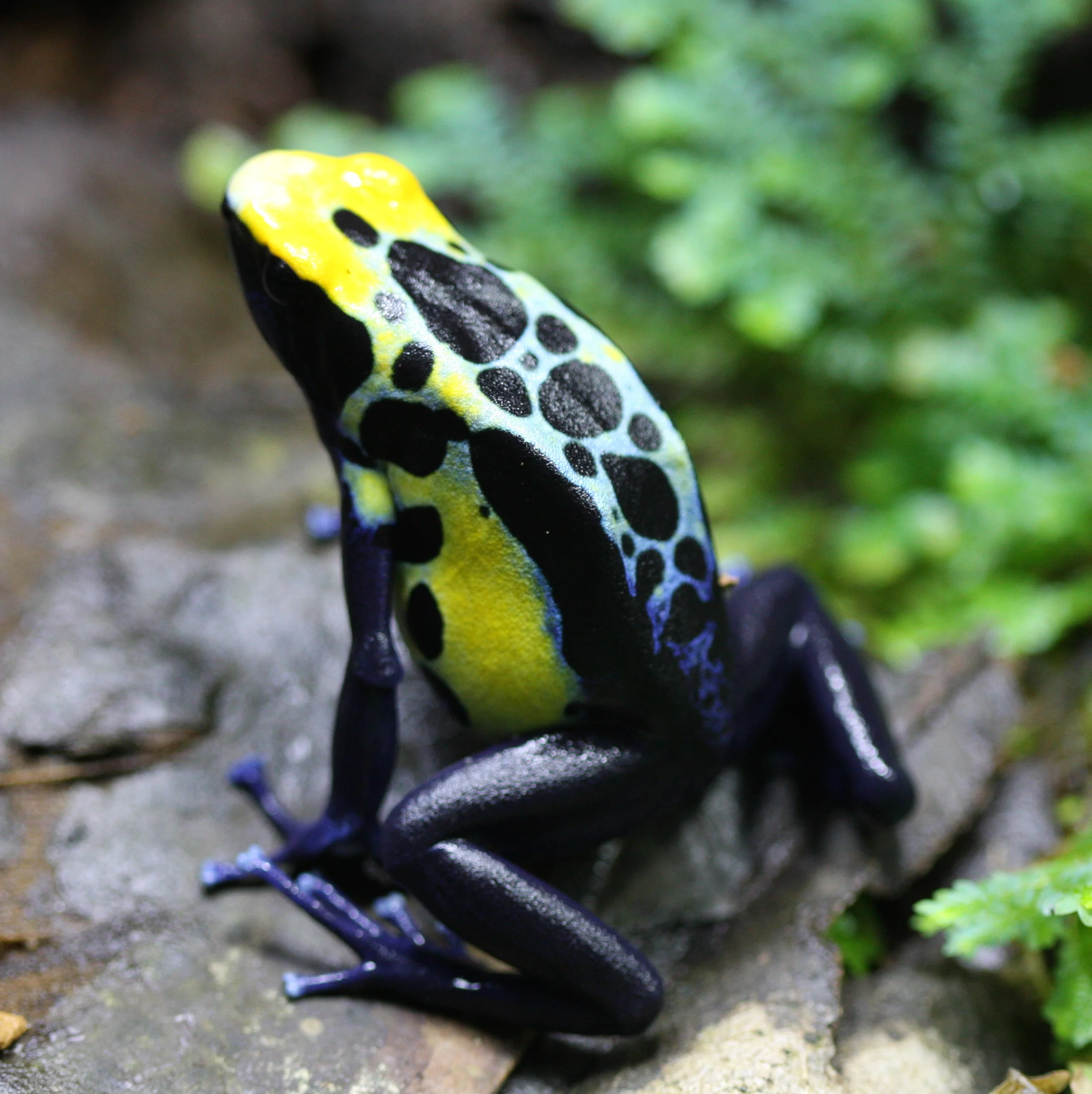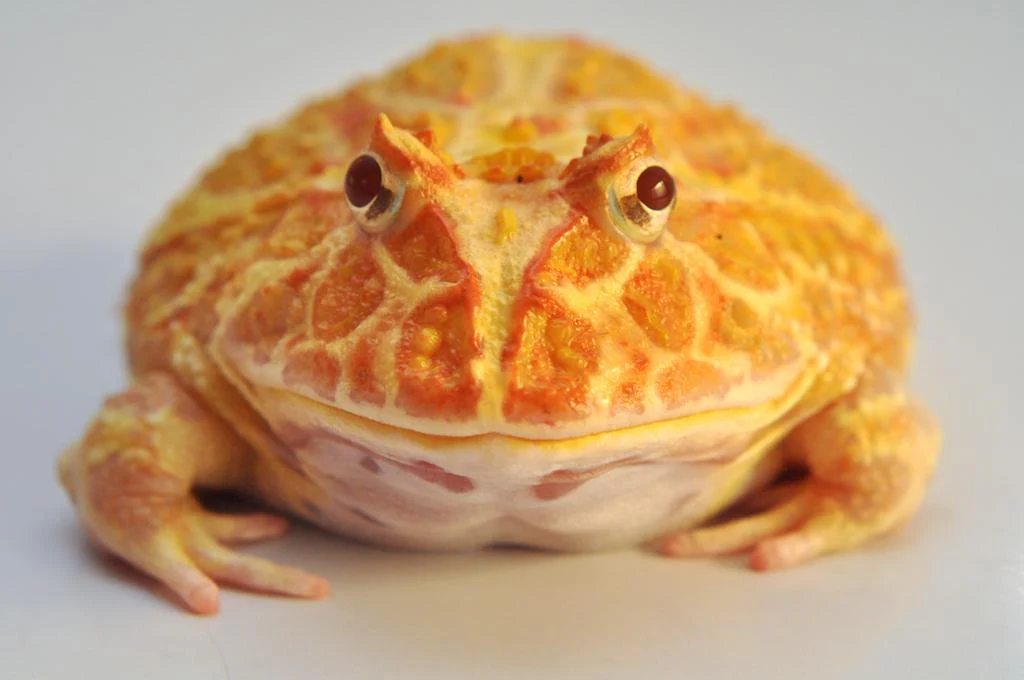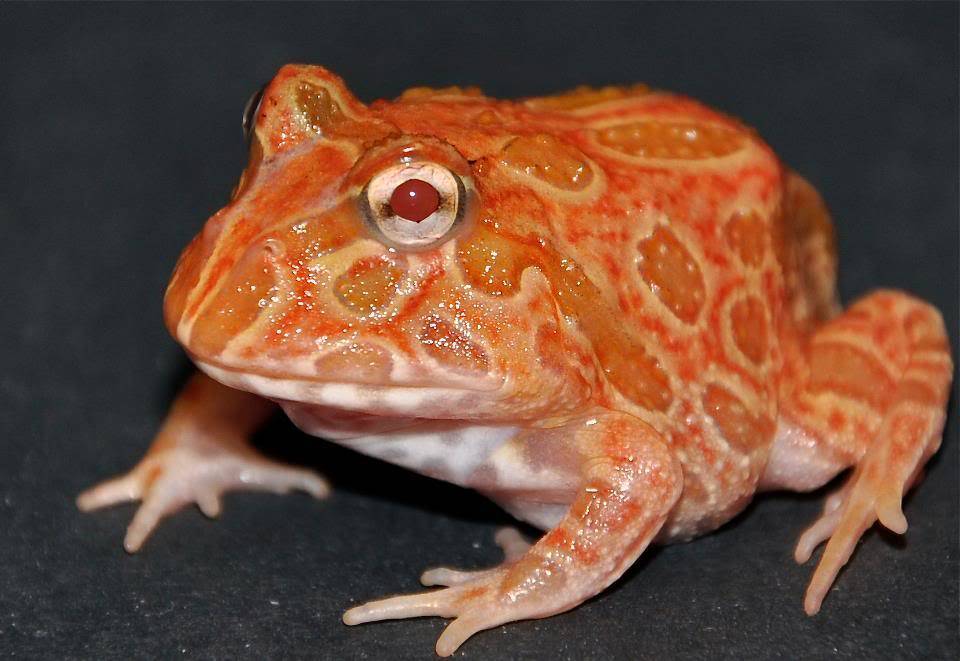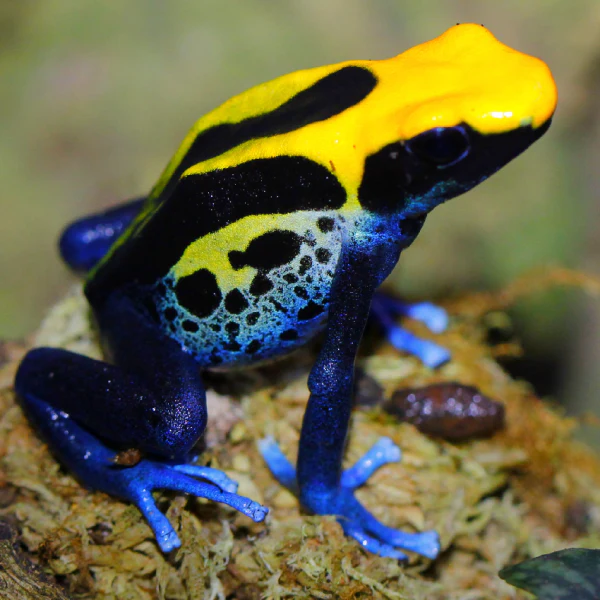
Dendrobates tinctorius Brazil Dart Frog
Dendrobates tinctorius Brazil (Dendrobates tinctorius “Brazil”) Care Sheet
Quick Facts
| Attribute | Details |
|---|---|
| Common Name | Dendrobates tinctorius Brazil |
| Scientific Name | Dendrobates tinctorius “Brazil” |
| Origin | Brazil – captive-bred morph |
| Adult Size | 4–5 cm |
| Lifespan | 6–10 years in captivity |
| Activity | Diurnal, arboreal / terrestrial |
Behavior
-
Highly active, alert, and visually striking; explores both ground and foliage.
-
Social species; can be housed in small groups if enclosure size permits.
-
Displays bright coloration as a warning; captive-bred are non-toxic but delicate.
-
Avoid handling; skin is sensitive to chemicals, oils, and stress.
Enclosure Requirements
-
Tank Size: Minimum 20–30 liters for a small group (2–3 adults)
-
Substrate: Moist coco fiber, sphagnum moss, or soil mix to retain humidity
-
Decor: Live plants, cork bark, leaf litter, small branches for climbing and hiding
-
Humidity: 75–90%
-
Temperature:
-
Day: 24–26°C
-
Night: 20–22°C
-
-
Lighting: 10–12 hours of low to moderate light; UVB optional for plant health
-
Ventilation: Good airflow to prevent mold
Compatibility
-
Social with conspecifics; avoid overcrowding.
-
Do not house with larger amphibians or predatory species.
Diet
-
Carnivorous; feeds on small live insects:
-
Fruit flies (Drosophila)
-
Pinhead crickets
-
Springtails
-
-
Feed juveniles daily; adults 3–5× per week
-
Dust prey with calcium and vitamin supplements regularly
-
Provide shallow water or mist leaves for hydration
Care Tips
-
Avoid handling; skin is delicate and absorbs chemicals easily.
-
Maintain high humidity for hydration and skin health.
-
Spot-clean enclosure daily; remove waste and moldy substrate.
-
Provide live plants and hiding spots for enrichment and security.
Breeding
-
Oviparous; females lay small clutches of 4–12 eggs on leaves or hidden locations.
-
Eggs develop in moist conditions; adults may transport tadpoles to small water pools.
-
Stable temperature and high humidity are essential for successful breeding.
Visual Quick Guide
-
🏠 Enclosure: ≥20–30 L, humid substrate, plants, climbing branches
-
🌡️ Temp: Day 24–26°C / Night 20–22°C
-
💧 Humidity: 75–90%
-
🍴 Diet: Carnivorous (small live insects)
-
🕒 Activity: Diurnal, active climber and explorer
-
⚠️ Stress: Avoid handling; provide plenty of hiding spots and plants
Please note: We don't ship live animals. You can order online and choose click and collect, and we will hold it for you.
Original: $139.36
-65%$139.36
$48.78More Images
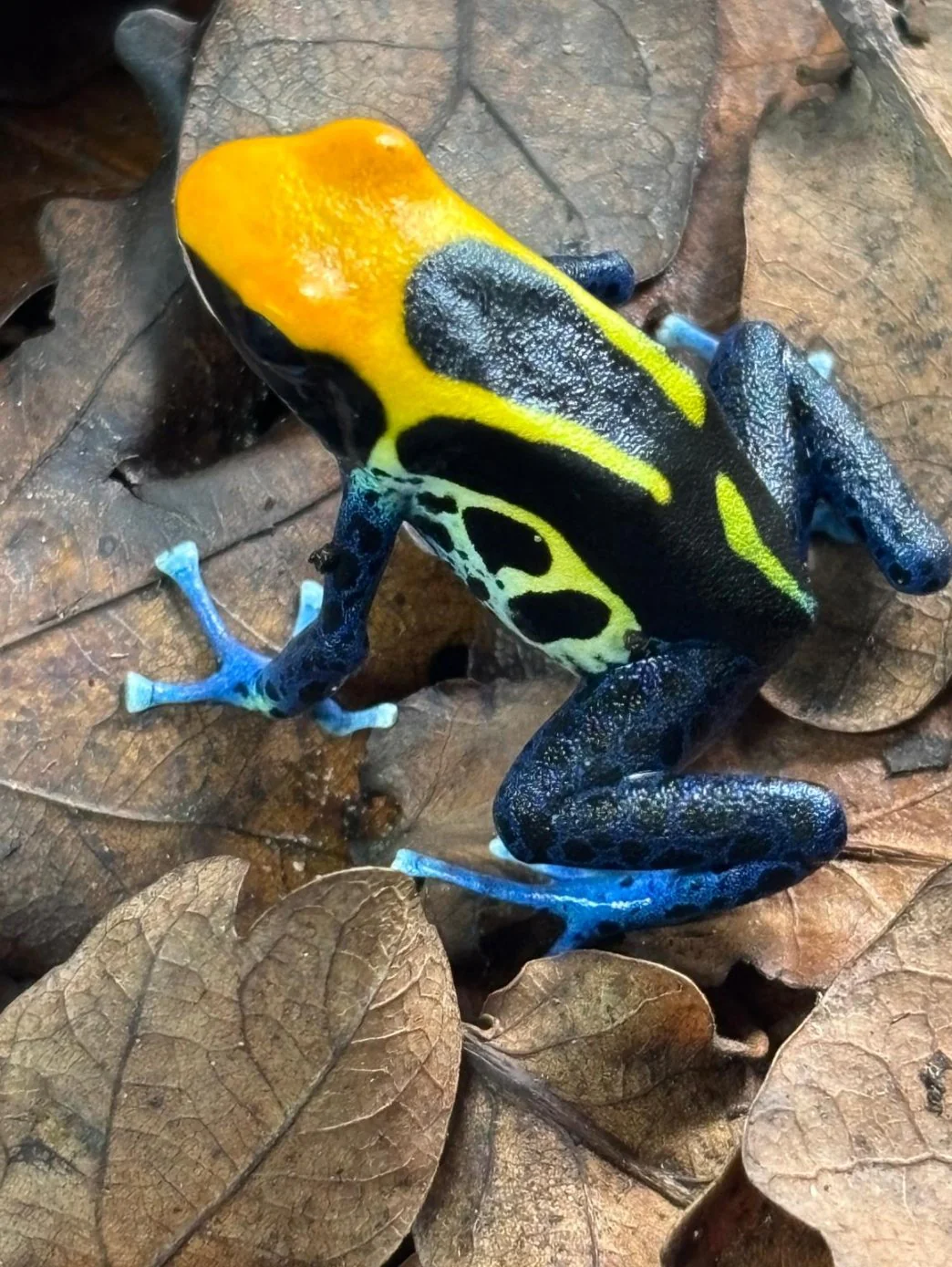
Dendrobates tinctorius Brazil Dart Frog
Dendrobates tinctorius Brazil (Dendrobates tinctorius “Brazil”) Care Sheet
Quick Facts
| Attribute | Details |
|---|---|
| Common Name | Dendrobates tinctorius Brazil |
| Scientific Name | Dendrobates tinctorius “Brazil” |
| Origin | Brazil – captive-bred morph |
| Adult Size | 4–5 cm |
| Lifespan | 6–10 years in captivity |
| Activity | Diurnal, arboreal / terrestrial |
Behavior
-
Highly active, alert, and visually striking; explores both ground and foliage.
-
Social species; can be housed in small groups if enclosure size permits.
-
Displays bright coloration as a warning; captive-bred are non-toxic but delicate.
-
Avoid handling; skin is sensitive to chemicals, oils, and stress.
Enclosure Requirements
-
Tank Size: Minimum 20–30 liters for a small group (2–3 adults)
-
Substrate: Moist coco fiber, sphagnum moss, or soil mix to retain humidity
-
Decor: Live plants, cork bark, leaf litter, small branches for climbing and hiding
-
Humidity: 75–90%
-
Temperature:
-
Day: 24–26°C
-
Night: 20–22°C
-
-
Lighting: 10–12 hours of low to moderate light; UVB optional for plant health
-
Ventilation: Good airflow to prevent mold
Compatibility
-
Social with conspecifics; avoid overcrowding.
-
Do not house with larger amphibians or predatory species.
Diet
-
Carnivorous; feeds on small live insects:
-
Fruit flies (Drosophila)
-
Pinhead crickets
-
Springtails
-
-
Feed juveniles daily; adults 3–5× per week
-
Dust prey with calcium and vitamin supplements regularly
-
Provide shallow water or mist leaves for hydration
Care Tips
-
Avoid handling; skin is delicate and absorbs chemicals easily.
-
Maintain high humidity for hydration and skin health.
-
Spot-clean enclosure daily; remove waste and moldy substrate.
-
Provide live plants and hiding spots for enrichment and security.
Breeding
-
Oviparous; females lay small clutches of 4–12 eggs on leaves or hidden locations.
-
Eggs develop in moist conditions; adults may transport tadpoles to small water pools.
-
Stable temperature and high humidity are essential for successful breeding.
Visual Quick Guide
-
🏠 Enclosure: ≥20–30 L, humid substrate, plants, climbing branches
-
🌡️ Temp: Day 24–26°C / Night 20–22°C
-
💧 Humidity: 75–90%
-
🍴 Diet: Carnivorous (small live insects)
-
🕒 Activity: Diurnal, active climber and explorer
-
⚠️ Stress: Avoid handling; provide plenty of hiding spots and plants
Please note: We don't ship live animals. You can order online and choose click and collect, and we will hold it for you.
Product Information
Product Information
Shipping & Returns
Shipping & Returns
Description
Dendrobates tinctorius Brazil (Dendrobates tinctorius “Brazil”) Care Sheet
Quick Facts
| Attribute | Details |
|---|---|
| Common Name | Dendrobates tinctorius Brazil |
| Scientific Name | Dendrobates tinctorius “Brazil” |
| Origin | Brazil – captive-bred morph |
| Adult Size | 4–5 cm |
| Lifespan | 6–10 years in captivity |
| Activity | Diurnal, arboreal / terrestrial |
Behavior
-
Highly active, alert, and visually striking; explores both ground and foliage.
-
Social species; can be housed in small groups if enclosure size permits.
-
Displays bright coloration as a warning; captive-bred are non-toxic but delicate.
-
Avoid handling; skin is sensitive to chemicals, oils, and stress.
Enclosure Requirements
-
Tank Size: Minimum 20–30 liters for a small group (2–3 adults)
-
Substrate: Moist coco fiber, sphagnum moss, or soil mix to retain humidity
-
Decor: Live plants, cork bark, leaf litter, small branches for climbing and hiding
-
Humidity: 75–90%
-
Temperature:
-
Day: 24–26°C
-
Night: 20–22°C
-
-
Lighting: 10–12 hours of low to moderate light; UVB optional for plant health
-
Ventilation: Good airflow to prevent mold
Compatibility
-
Social with conspecifics; avoid overcrowding.
-
Do not house with larger amphibians or predatory species.
Diet
-
Carnivorous; feeds on small live insects:
-
Fruit flies (Drosophila)
-
Pinhead crickets
-
Springtails
-
-
Feed juveniles daily; adults 3–5× per week
-
Dust prey with calcium and vitamin supplements regularly
-
Provide shallow water or mist leaves for hydration
Care Tips
-
Avoid handling; skin is delicate and absorbs chemicals easily.
-
Maintain high humidity for hydration and skin health.
-
Spot-clean enclosure daily; remove waste and moldy substrate.
-
Provide live plants and hiding spots for enrichment and security.
Breeding
-
Oviparous; females lay small clutches of 4–12 eggs on leaves or hidden locations.
-
Eggs develop in moist conditions; adults may transport tadpoles to small water pools.
-
Stable temperature and high humidity are essential for successful breeding.
Visual Quick Guide
-
🏠 Enclosure: ≥20–30 L, humid substrate, plants, climbing branches
-
🌡️ Temp: Day 24–26°C / Night 20–22°C
-
💧 Humidity: 75–90%
-
🍴 Diet: Carnivorous (small live insects)
-
🕒 Activity: Diurnal, active climber and explorer
-
⚠️ Stress: Avoid handling; provide plenty of hiding spots and plants
Please note: We don't ship live animals. You can order online and choose click and collect, and we will hold it for you.